Define Your Project Purpose
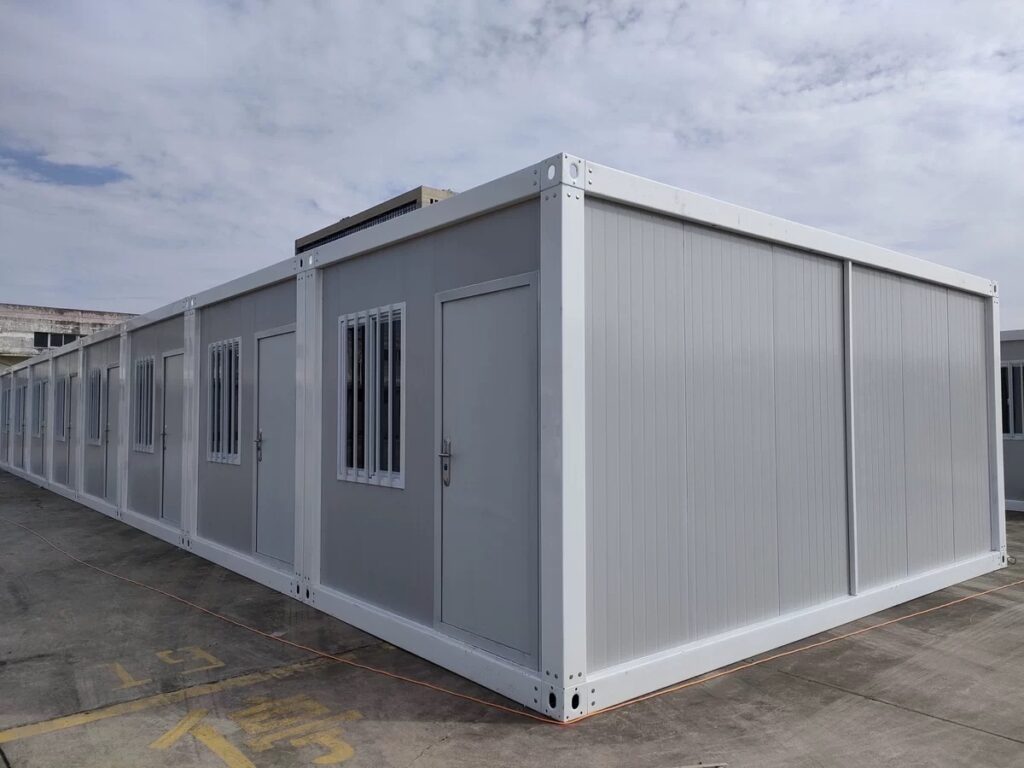
The first step is to decide how the container house will be used. Some projects need a site office, while others need worker accommodation, storage space, or temporary service rooms. Once the purpose is clear, it becomes easier to choose the right layout and interior setup.
Consider Project Duration
Project length is another important factor. For short term use, a standard container house may be enough. For longer projects, comfort and durability become more important. In that case, insulation, ventilation, and interior quality should receive more attention.
Check Site Conditions
Site conditions directly affect the type of container house you should choose. Transportation access, available land, local climate, and ground conditions all matter. Projects in hot, rainy, or coastal areas may need better insulation, waterproofing, or corrosion protection.
Choose the Right Size and Layout
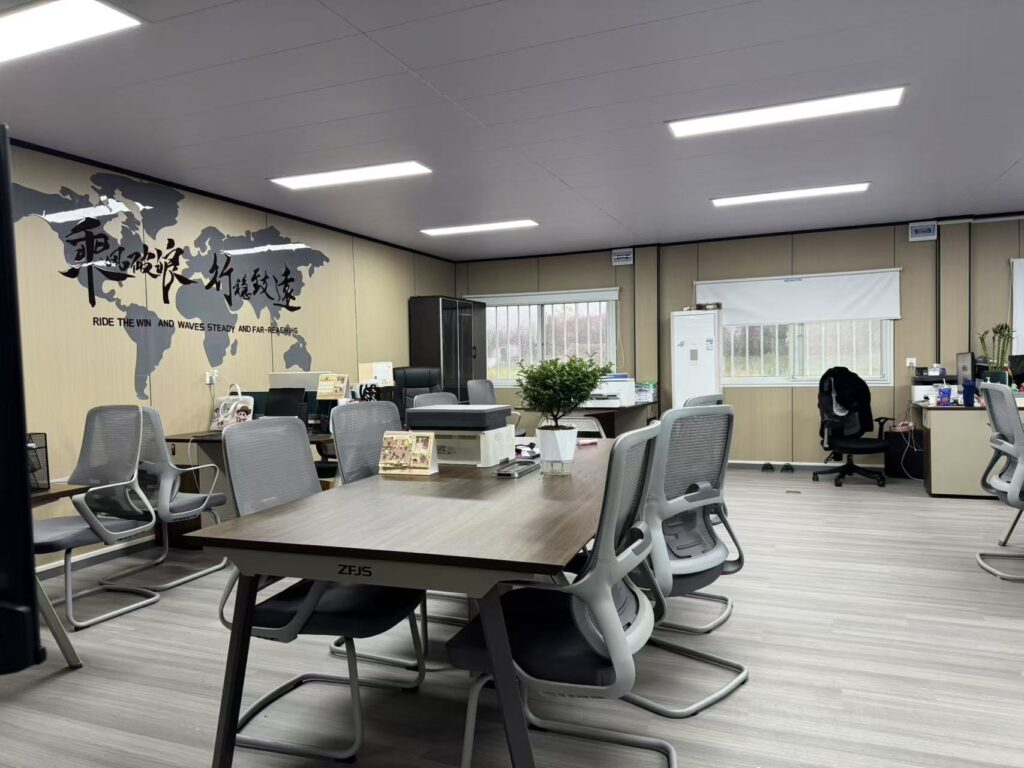
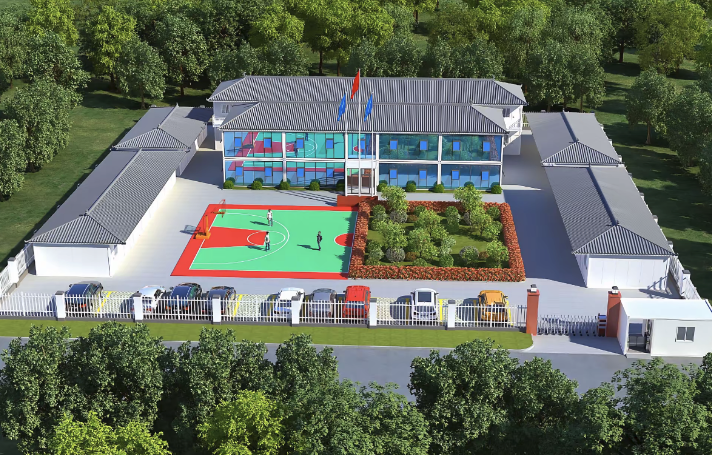
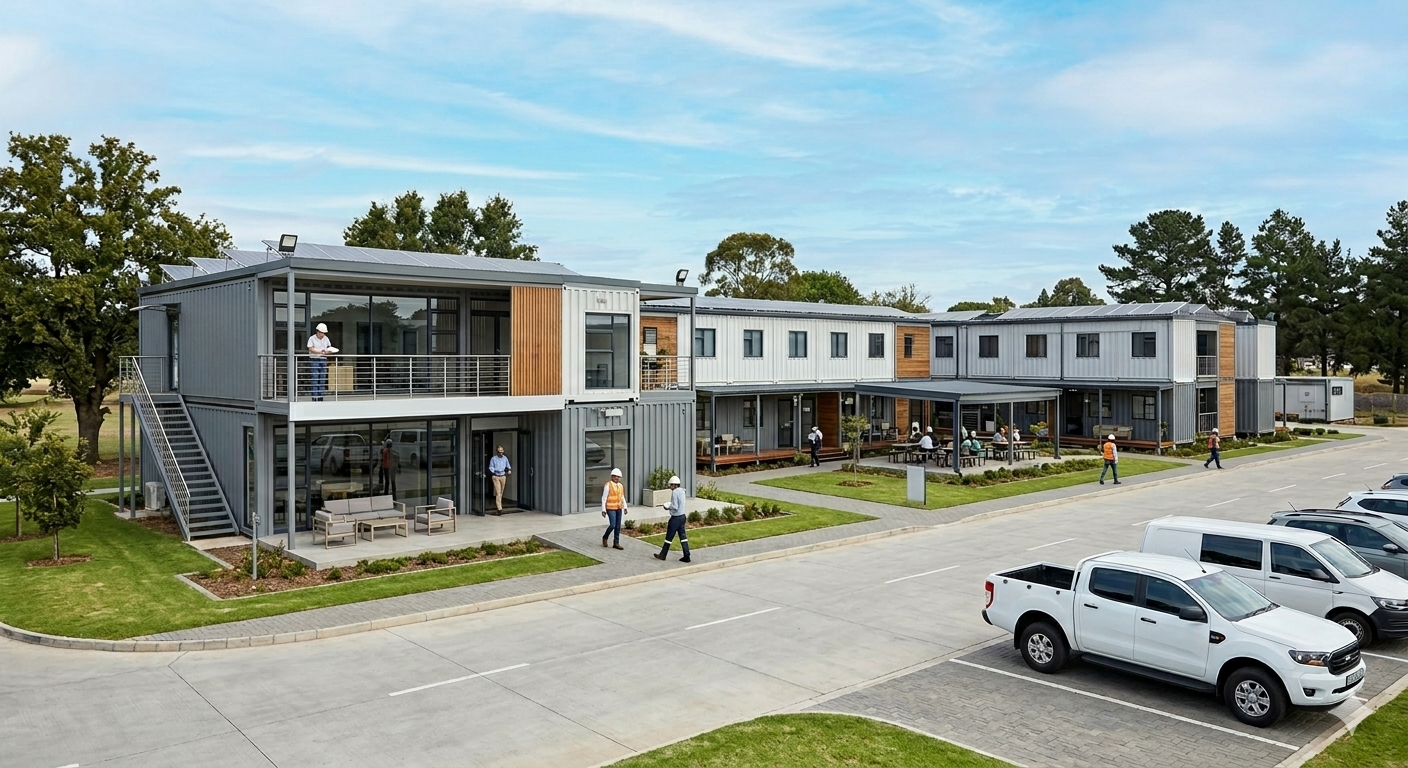
The size of the container house should match the number of users and daily functions. A small unit may work for a guard room or office, while larger projects may need multiple units connected together. A practical layout will improve workflow and make better use of the site.
Pay Attention to Quality
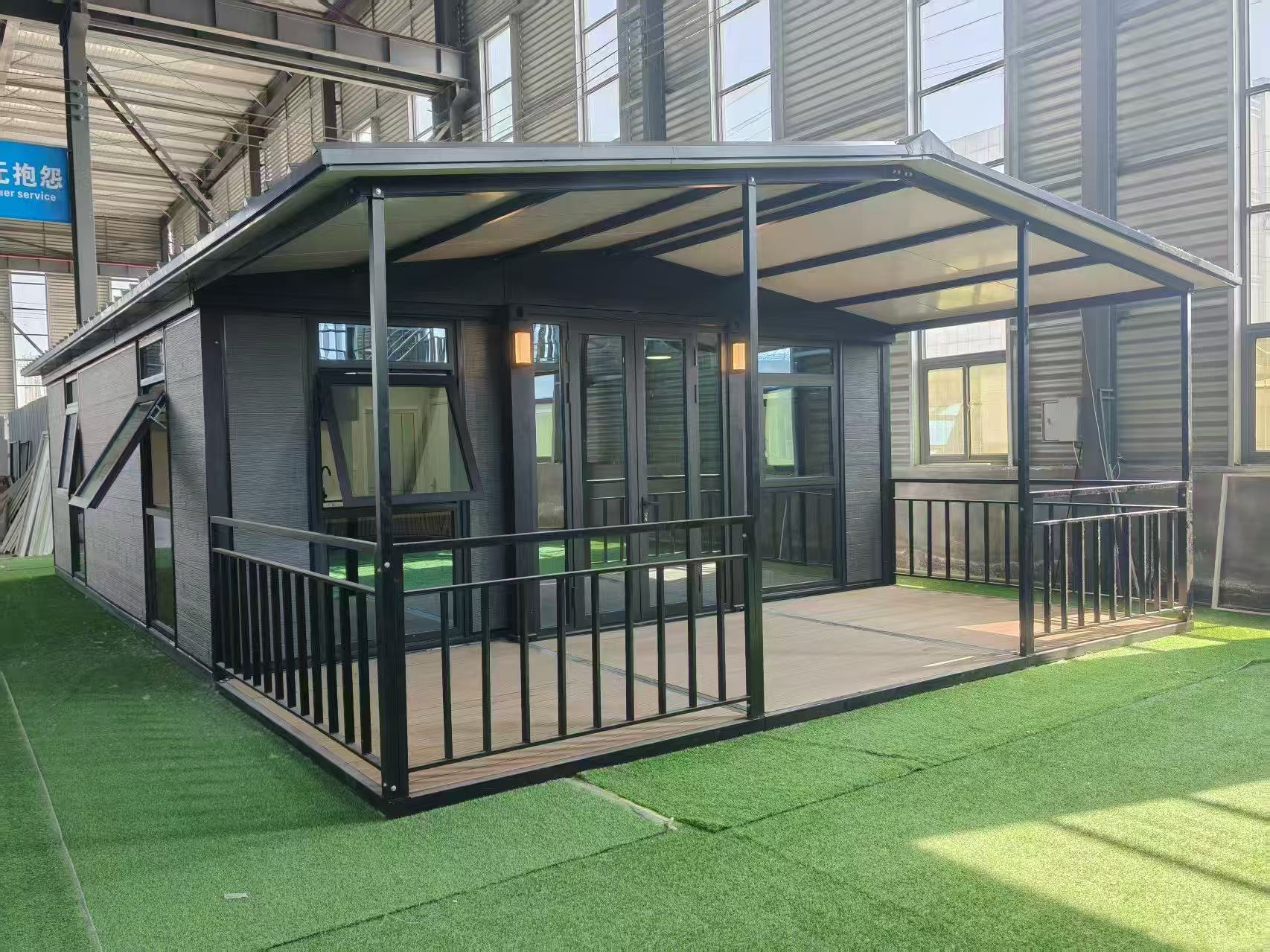
A reliable container house should have a strong steel structure, durable wall panels, and good doors, windows, and roofing. Material quality affects safety, service life, and maintenance costs. Choosing a better built product can reduce problems later.
Think About Installation and Mobility
Many projects choose container houses because they are fast to install and easy to move. If your project requires relocation, it is important to choose a model that can be transported and reinstalled efficiently.
Conclusion
To choose the right container house, you need to look at purpose, duration, site conditions, layout, quality, and mobility. When these factors are considered together, it becomes much easier to find a solution that fits your project and budget.