Understand the Number of Workers
A worker accommodation plan helps project owners arrange safe, practical, and efficient living spaces for workers on construction, mining, industrial, and remote project sites. It usually includes room layouts, toilets, showers, dining areas, laundry areas, offices, storage spaces, and other daily support facilities.
The first step is to estimate how many workers will stay on site and how long the accommodation will be used. A small and short term project may only need simple dormitory units, while a larger or longer project may require a complete camp with more rooms and shared facilities.
Choose a Practical Layout
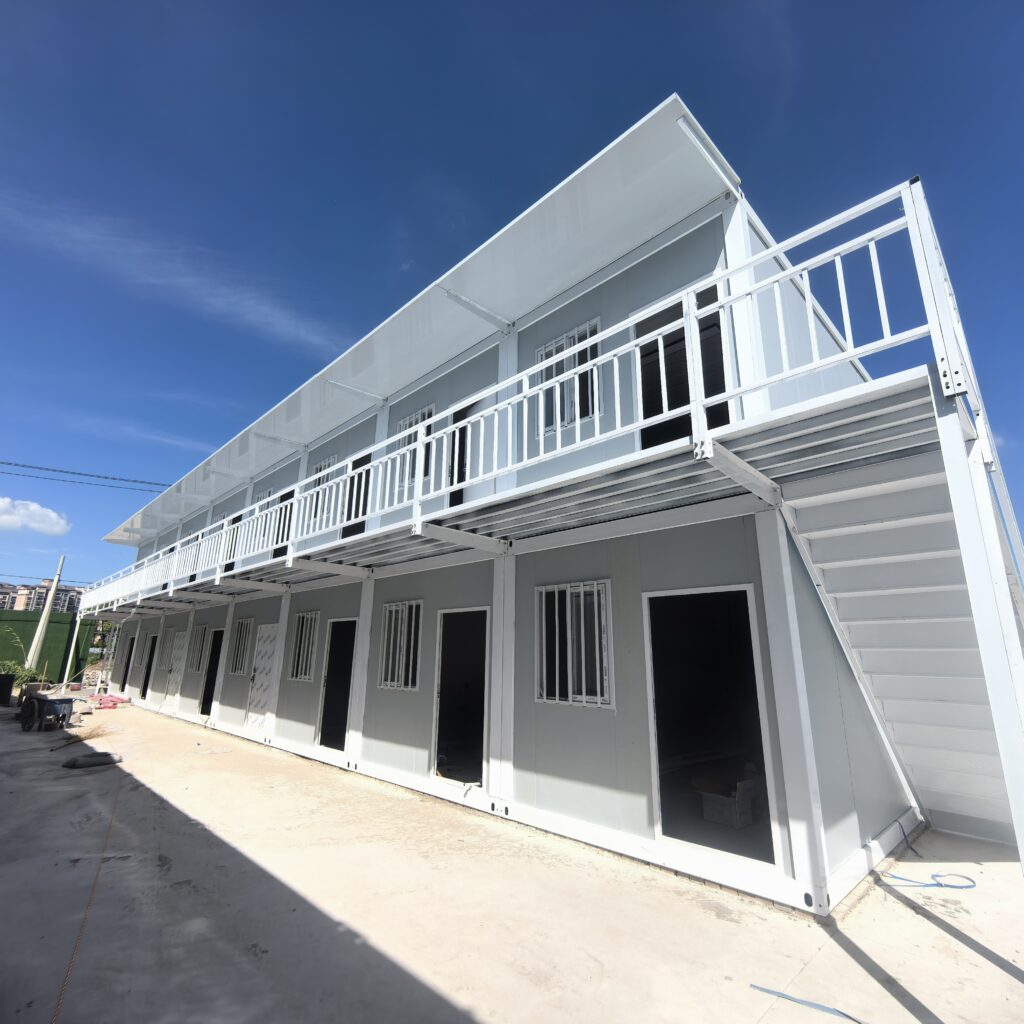
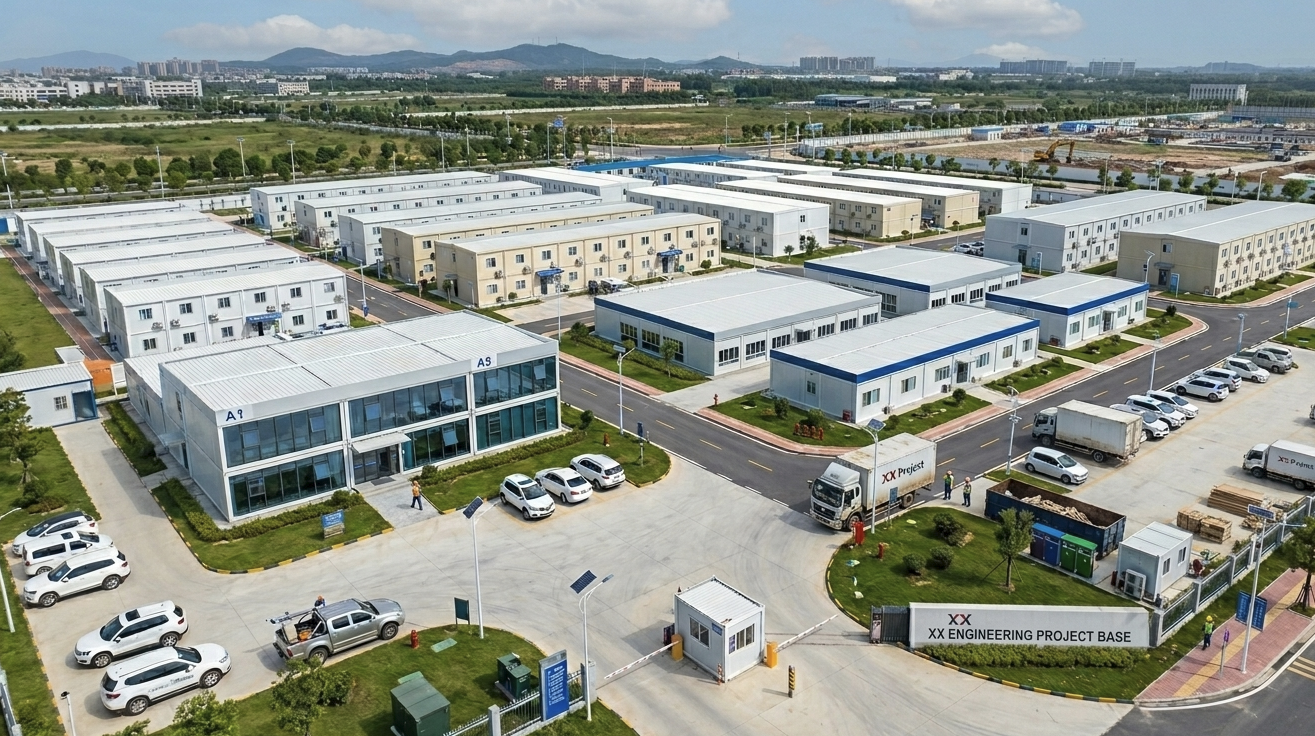
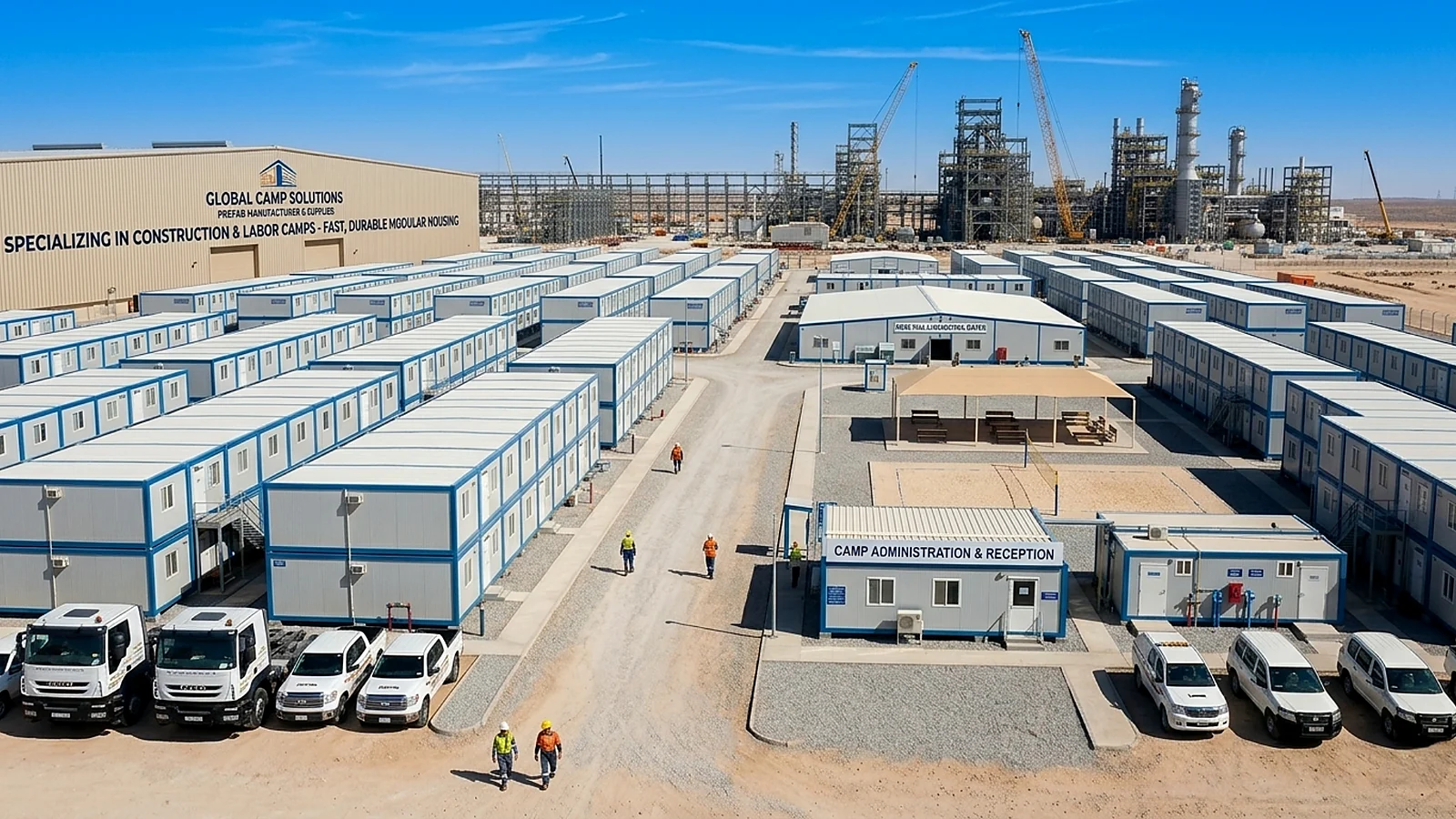
A good accommodation layout should make daily life more convenient and organized. Sleeping areas, toilets, showers, dining spaces, and walkways should be arranged clearly. The camp should also be placed at a safe distance from heavy equipment and active construction zones.
Focus on Comfort and Daily Needs
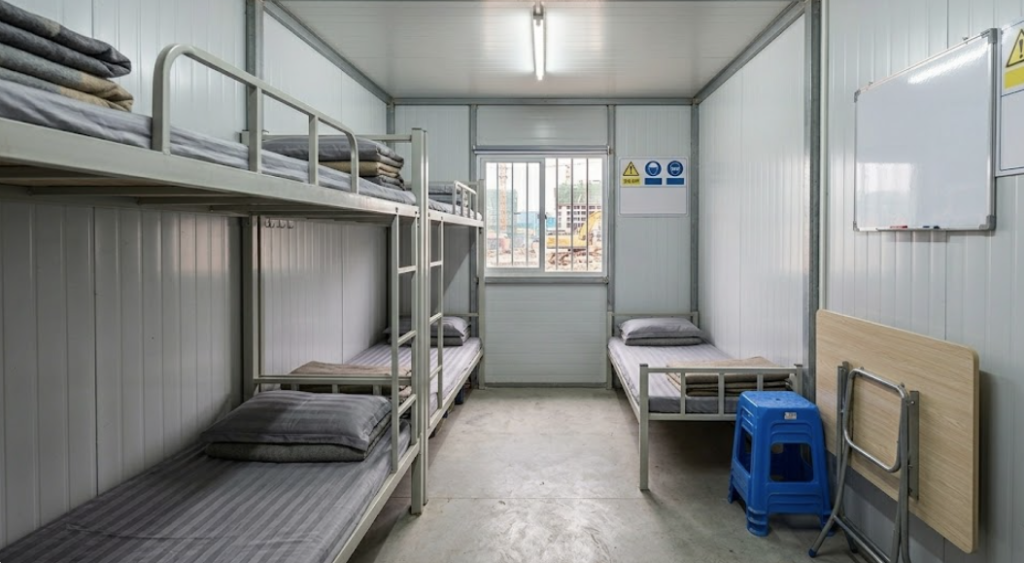
Worker accommodation should provide a clean and functional living environment. Rooms should have enough space, ventilation, lighting, and basic furniture. For many projects, it is also important to include bathrooms, dining areas, laundry space, and common areas for rest.
Consider Climate and Safety
Local weather conditions should always be part of the planning process. Hot areas may need better ventilation and cooling, while rainy or coastal areas may need stronger waterproofing and corrosion protection. Fire safety, electrical systems, and emergency access should also be considered from the beginning.
Plan for Flexibility
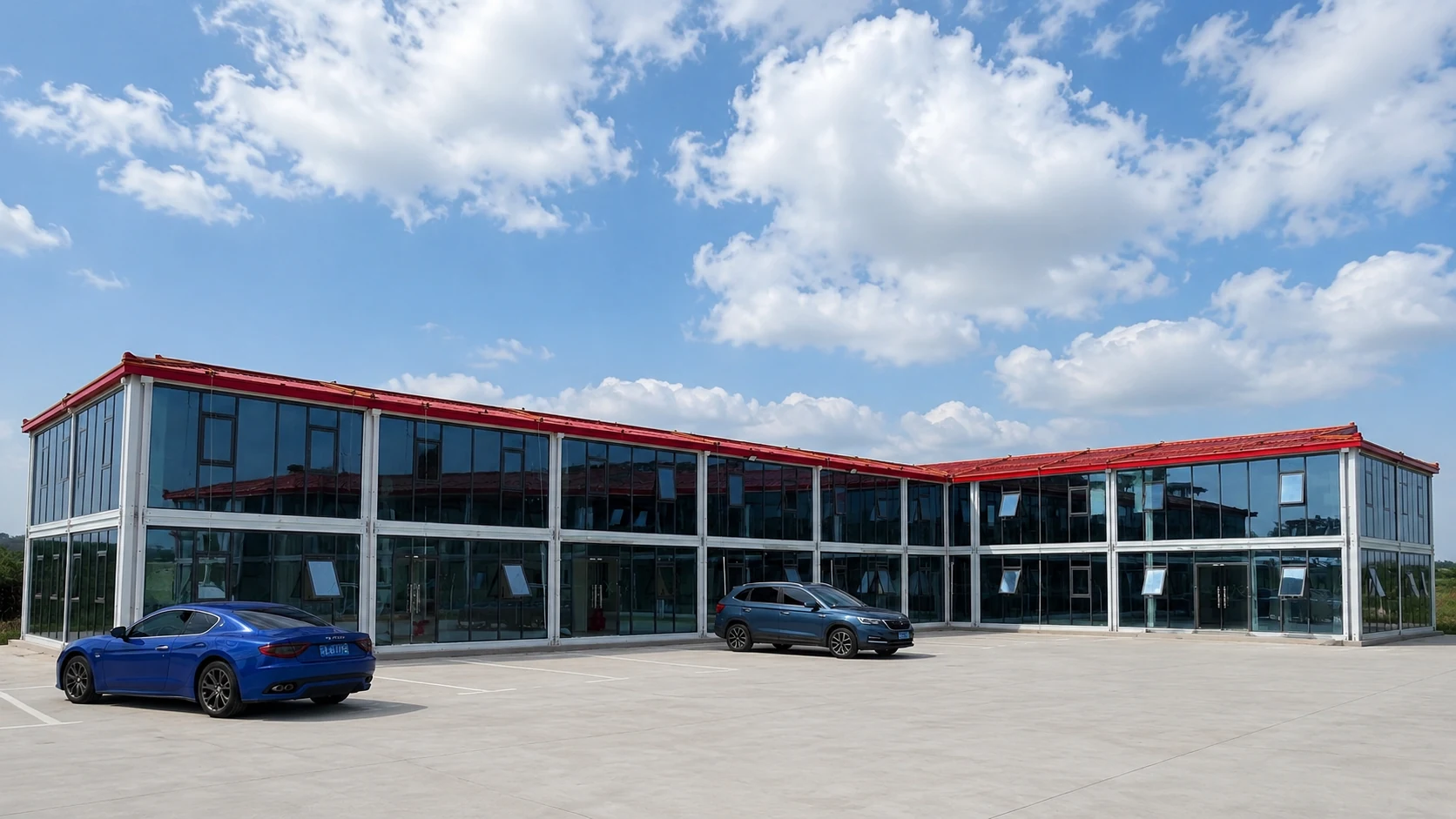
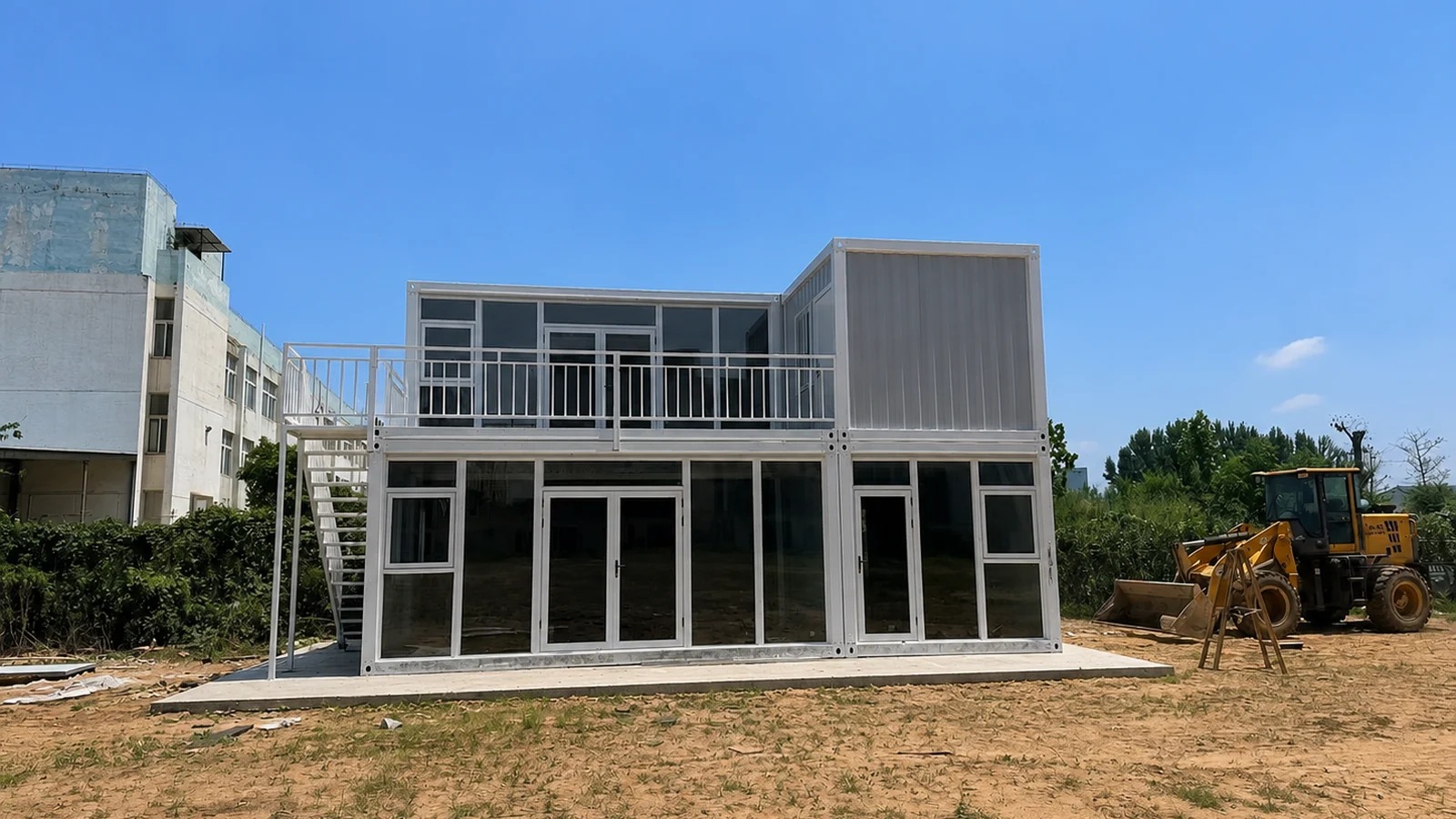
Construction projects often change over time. The number of workers may increase, and new facilities may be needed later. Modular worker accommodation is a practical option because it can be expanded, relocated, or adjusted more easily as project requirements change.
Conclusion
Planning worker accommodation for construction projects requires a clear understanding of workforce size, layout, living needs, safety, and site conditions. A practical and well organized solution can improve worker wellbeing and support more efficient project operations.