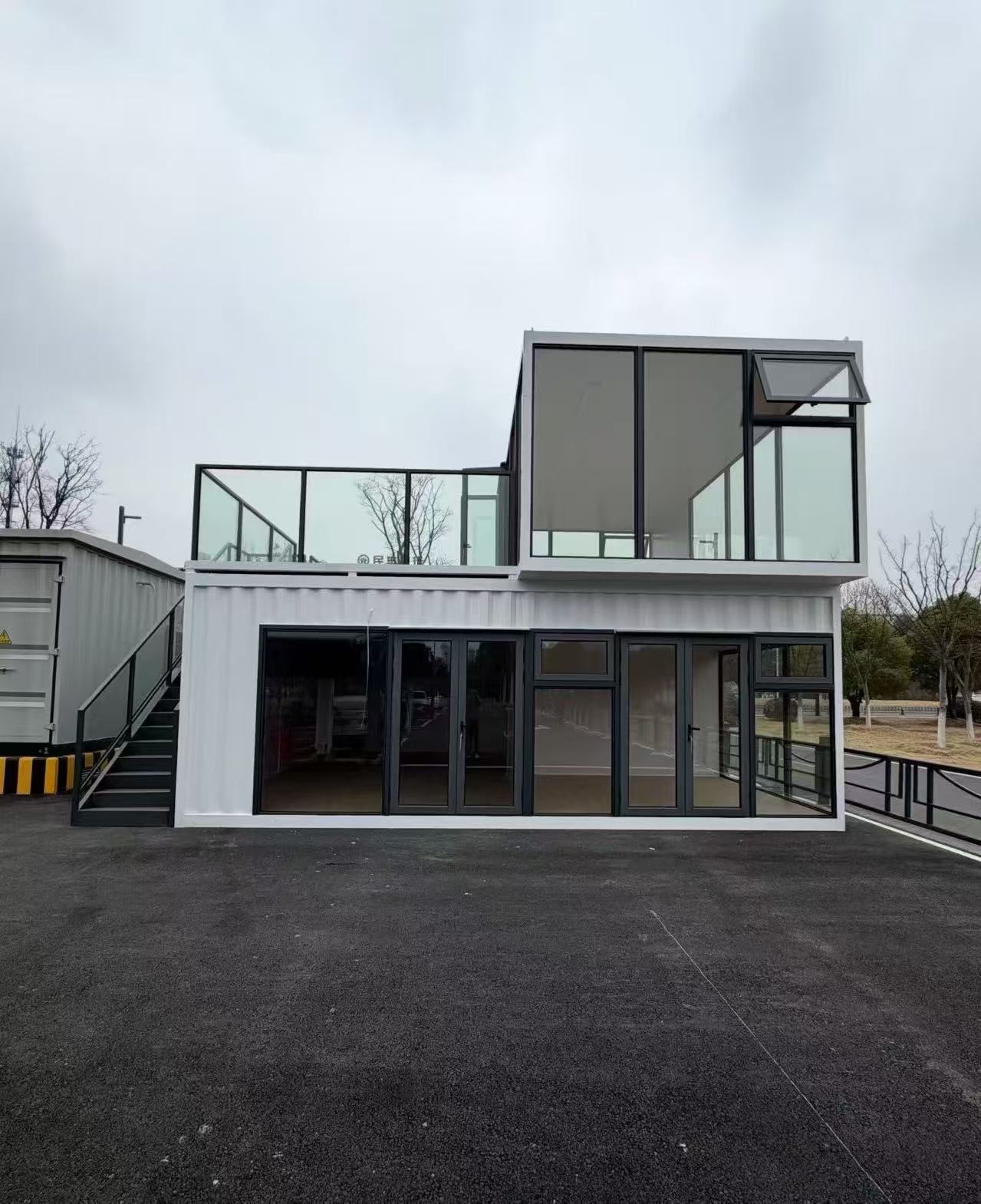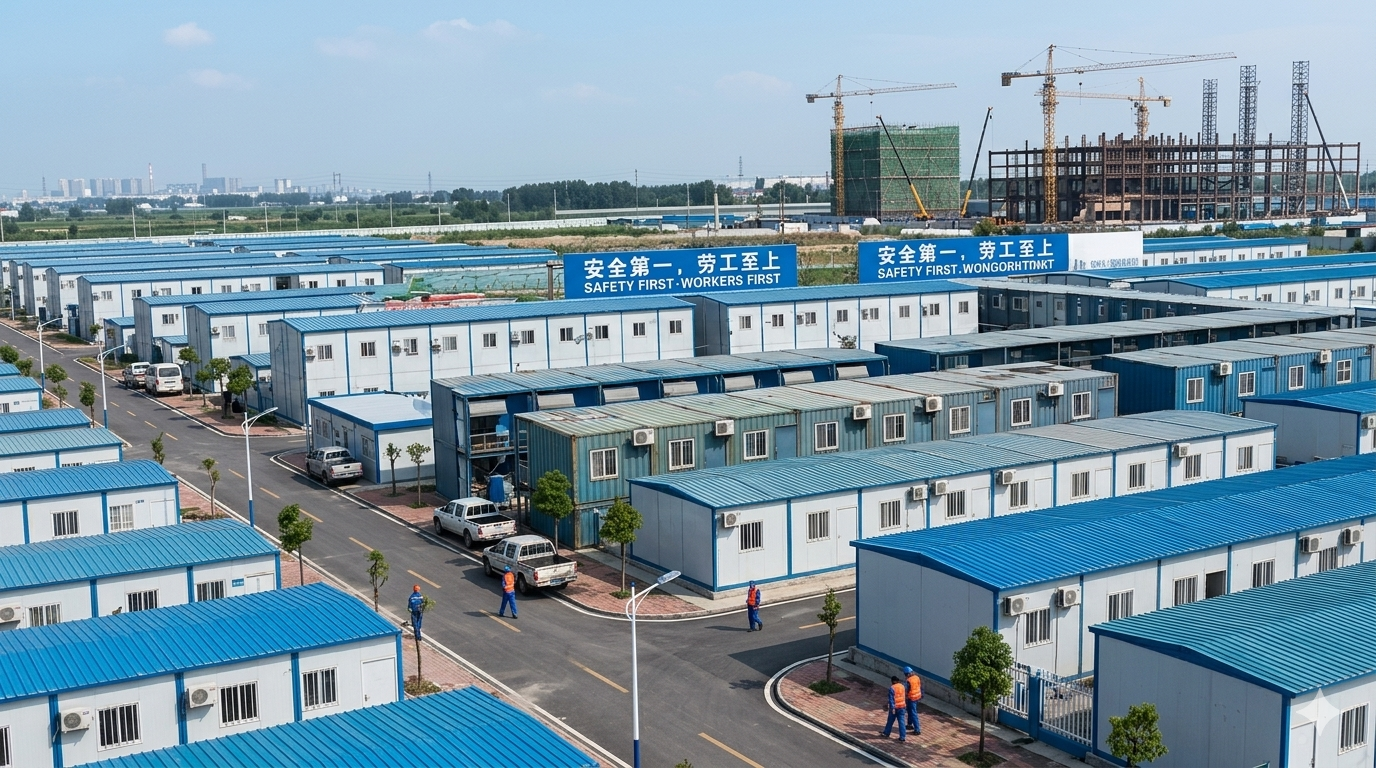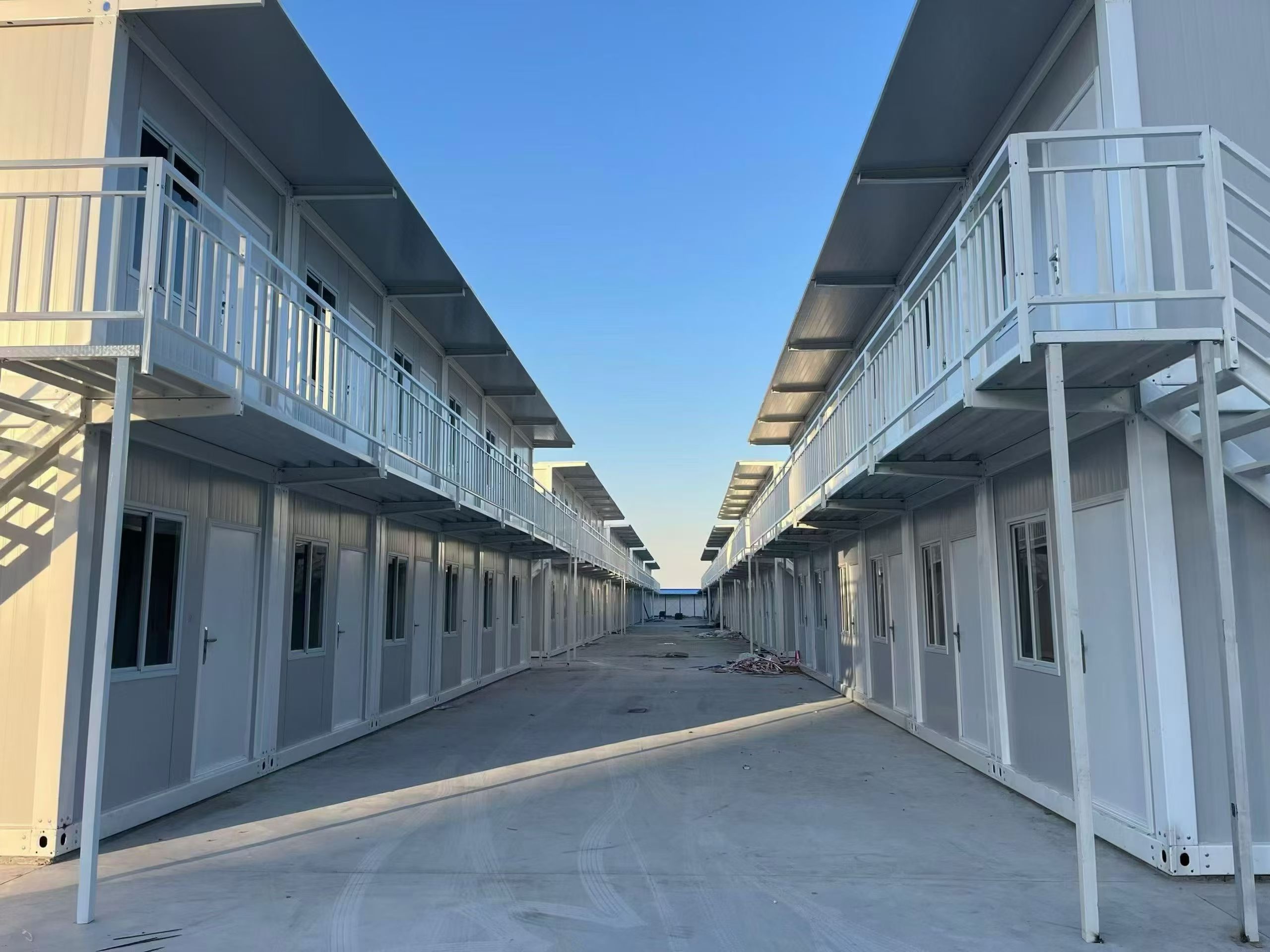
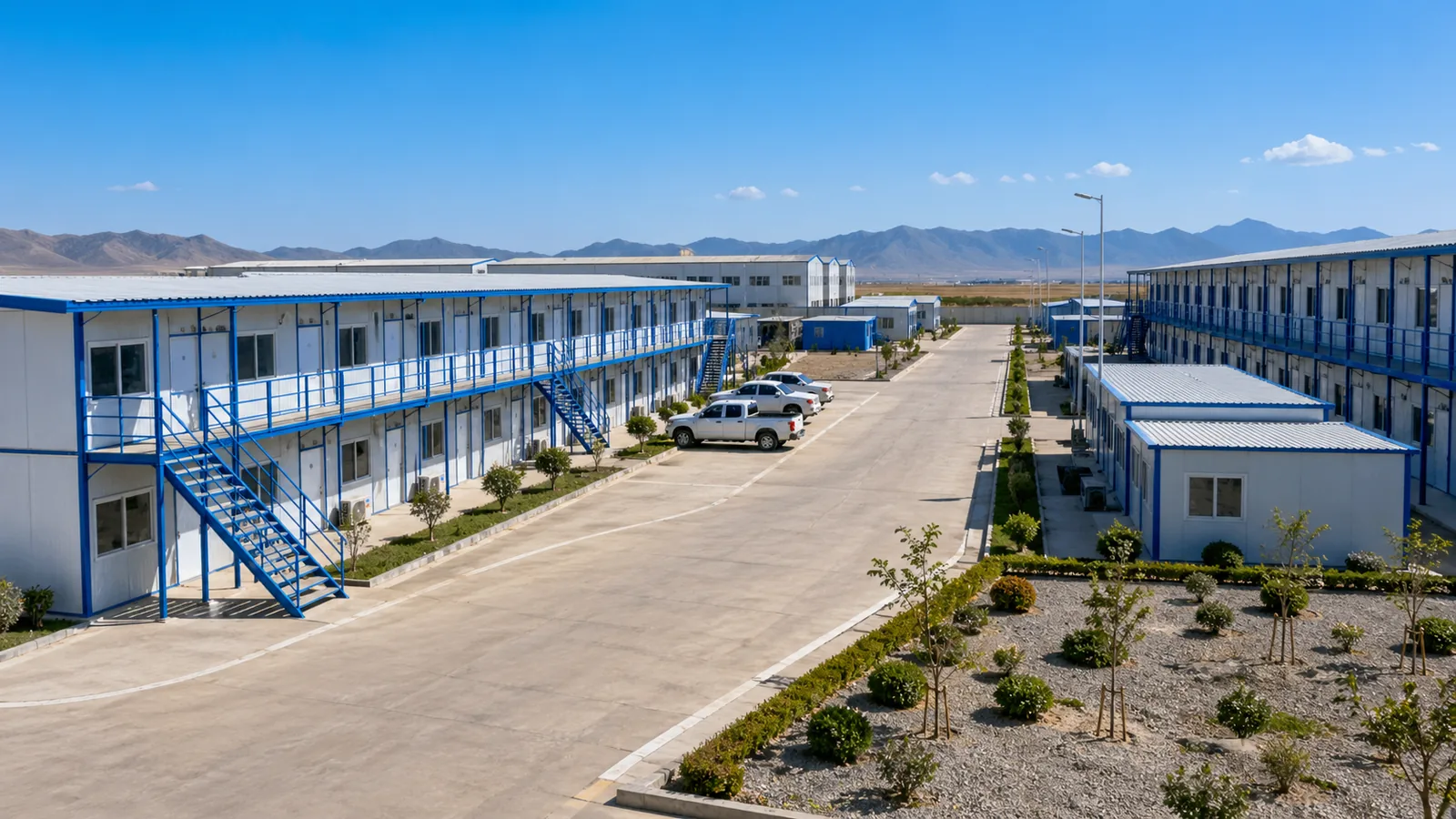
Temporary modular buildings are commonly used on construction sites, mining projects, industrial areas, infrastructure projects, and remote work locations. They provide practical spaces for site offices, worker accommodation, dining areas, restrooms, storage rooms, and other project support facilities.
A good modular building plan can help a project site operate more efficiently. It allows project owners and contractors to organize work areas, living spaces, support facilities, and daily management zones in a clear and practical way.
Before choosing temporary modular buildings, it is important to understand the project needs, site conditions, worker numbers, room functions, transportation requirements, and expected project duration. A clear plan can reduce unnecessary changes and make the final layout easier to use.
What Information Should You Prepare First?
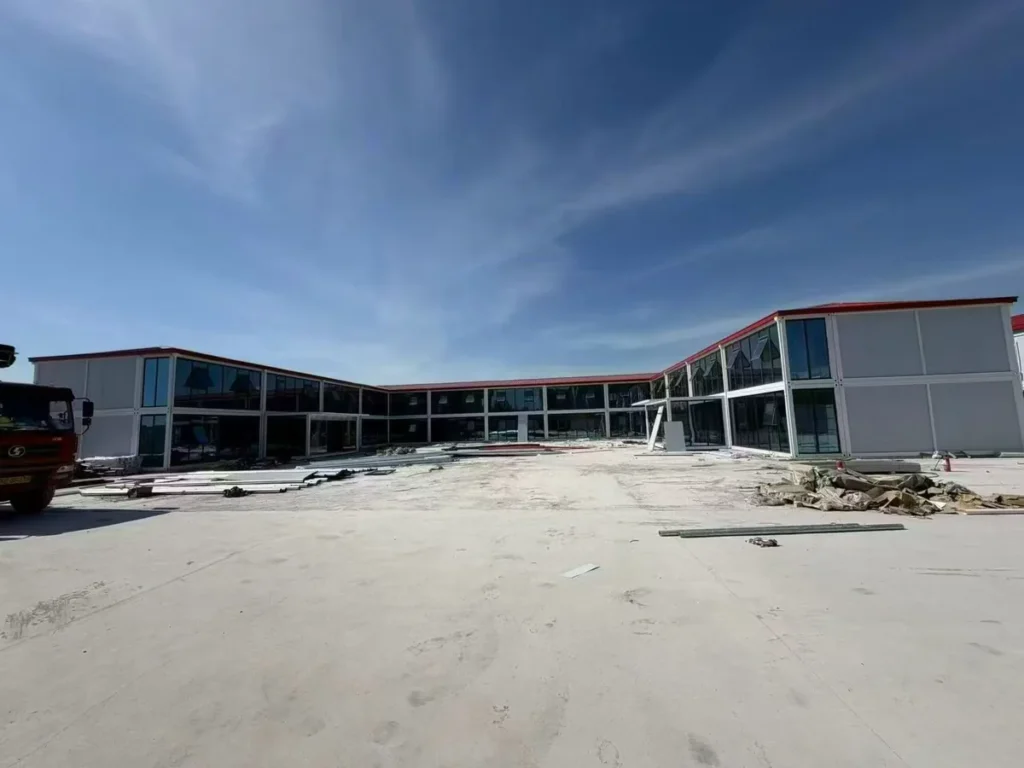
Before requesting a quotation or layout suggestion, it is helpful to prepare the basic project information. This allows the supplier to understand the real needs of the site and recommend suitable modular building options.
The first point is the project location. Different countries and project areas may have different climate conditions, transportation limits, site access requirements, and installation conditions. A remote mining site and an urban construction project may require different building layouts and delivery plans.
The second point is the expected use of the buildings. Some projects only need a small site office. Some need worker dormitories, bathrooms, dining areas, kitchens, storage spaces, and a complete camp layout. The more clearly the required functions are listed, the easier it is to plan the building arrangement.
The third point is the number of workers or staff. Worker numbers affect room quantity, restroom capacity, dining space, laundry areas, and public facilities. It is also useful to consider whether the workforce will increase during later project stages.
The fourth point is the expected project duration. Short-term projects may focus more on fast installation and easy relocation. Longer projects may need better insulation, stronger daily-use facilities, and more comfortable living conditions.
Common Temporary Modular Building Areas
Temporary modular buildings can be planned for different functional areas. A complete site layout usually includes several types of spaces that support daily project operation.
Site Offices
Site offices are used for project management, documentation, meetings, communication, and daily coordination. A construction site office may include manager rooms, meeting rooms, reception areas, document storage areas, and restrooms.
For many construction projects, a modular site office can be installed quickly and adjusted according to the site layout. It can be designed as a single-storey office, a two-storey office, or a combined office and support facility.
You can link this section to your construction site office solution page.
Worker Accommodation
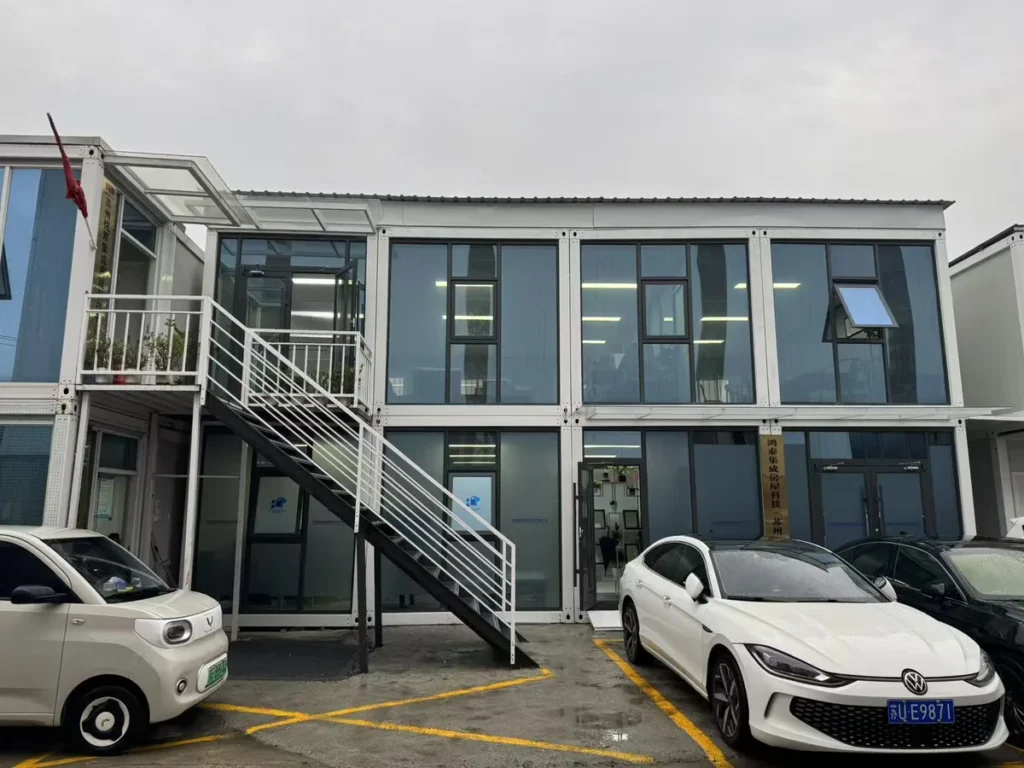
Worker accommodation is one of the most common uses of temporary modular buildings. It provides living spaces for workers, supervisors, and project staff.
A worker accommodation layout may include dormitory rooms, supervisor rooms, toilets, shower rooms, laundry areas, rest areas, and supporting facilities. The layout should consider worker number, room capacity, privacy, ventilation, climate, and daily movement.
You can link this section to your worker accommodation solution page.
Dining and Canteen Areas
For medium and large project sites, dining areas are important for worker comfort and daily operation. Modular buildings can be used as canteens, kitchens, food preparation areas, and rest spaces.
The dining area should be planned according to the number of workers, meal schedule, kitchen equipment, storage needs, and hygiene requirements. It is usually better to place dining areas near accommodation zones while keeping enough separation from construction work areas.
Restrooms and Shower Rooms
Restrooms and shower rooms are essential for site accommodation and labor camp projects. The number of toilet and shower units should be planned according to worker numbers and usage frequency.
For remote projects, sanitary facilities should be easy to maintain and placed in convenient locations. They should also be planned together with water supply, drainage, ventilation, and cleaning access.
Storage and Support Rooms
Temporary modular buildings can also be used as storage rooms, tool rooms, guard rooms, maintenance rooms, and equipment support areas.
Storage spaces should be arranged near the work zone or management area, depending on what needs to be stored. For tools and daily project materials, easy access is important. For documents or valuable items, security should be considered.
How to Arrange Offices, Accommodation, and Support Facilities
A practical layout should separate different functions while keeping daily movement convenient. Offices, accommodation, dining areas, restrooms, and storage spaces should not be placed randomly.
Site offices are usually placed near the entrance or main access road. This helps visitors, managers, suppliers, and project teams reach the office area easily.
Accommodation areas should be placed away from heavy work zones when possible. Workers need a quieter area for rest. If the site is large, walking distance between accommodation, dining areas, and sanitary facilities should also be considered.
Dining areas should be close enough to accommodation zones, but they should have proper separation from toilets, storage rooms, and vehicle movement areas.
Restrooms and shower rooms should be easy to reach from accommodation areas. They should also be placed with drainage, water supply, and maintenance access in mind.
Storage rooms and support buildings can be placed near work areas, office zones, or logistics routes. The correct position depends on the stored items and how often workers need to access them.
Planning by Worker Number and Project Duration
Worker number is one of the most important factors in planning temporary modular buildings.
For a small project team, a simple layout may include a site office, several accommodation rooms, one restroom unit, and a small storage area.
For a medium-sized project, the layout may include separate office buildings, dormitory units, canteen space, toilets, showers, laundry areas, and storage rooms.
For a large labor camp, the layout may require multiple accommodation blocks, management offices, dining halls, kitchens, medical rooms, guard rooms, and public activity areas.
Project duration also affects the design. A short-term project may need basic temporary buildings that can be installed and removed quickly. A long-term project may require better comfort, stronger materials, air conditioning, improved insulation, and more complete support facilities.
Transportation and Installation Considerations
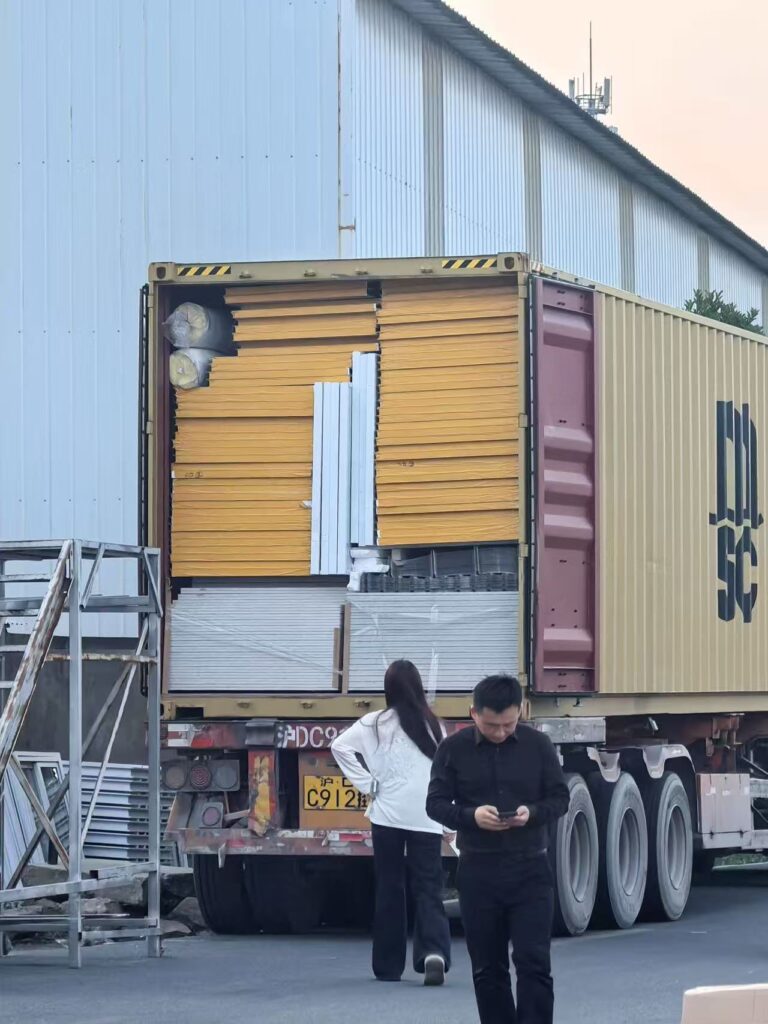
Transportation should be considered early in the planning process. Modular buildings need to match shipping, loading, road transport, and site unloading conditions.
For overseas projects, container loading plans and export requirements are important. The building size, packing method, and accessories should be planned before production.
Installation conditions should also be checked. The project site needs enough space for unloading, equipment movement, foundation preparation, and assembly work.
If the site is remote, installation guidance becomes more important. Clear drawings, installation instructions, and technical support can help the project team complete the setup more smoothly.
How to Plan for Future Expansion
Many construction projects change over time. Worker numbers may increase. New offices may be needed. More accommodation rooms may be required during later project stages.
Because of this, the layout should leave space for future expansion when possible. Modular buildings can be added in stages, which makes them suitable for projects with changing site needs.
For example, a project may start with office units and a small accommodation area. Later, more dormitory units, dining areas, and support facilities can be added as the project grows.
Planning expansion space in advance can save time and reduce layout problems later.
Choosing the Right Temporary Modular Building Solution
The right solution depends on project use, site conditions, budget, delivery schedule, and expected building life.
Container-based buildings are often suitable for fast deployment, repeatable layouts, and temporary project use. They can be used for offices, dormitories, storage rooms, toilets, and support units.
Prefab building systems may be suitable for larger layouts, more flexible room sizes, and different building arrangements.
A complete modular building solution can combine different functions into one site plan, including offices, accommodation, dining areas, bathrooms, storage rooms, and other facilities.
When choosing a supplier, it is useful to consider factory supply ability, customization support, export experience, installation guidance, project experience, and quotation clarity.
You can link this section to your modular building solutions page.
Getting a Quotation for Temporary Modular Buildings
To get a more accurate quotation, it is better to provide clear project information.
Useful details include project location, building use, number of workers, required rooms, site size, expected use period, climate conditions, and delivery requirements.
If you already have a rough layout, it can also help the supplier understand your needs faster. If you do not have a layout yet, the supplier can usually provide suggestions based on your worker number and facility requirements.
For project-based modular buildings, a good quotation should include product type, quantity, size, main materials, optional upgrades, packing details, delivery support, and installation guidance.
FAQ
Temporary modular buildings are used for site offices, worker accommodation, labor camps, dining areas, restrooms, shower rooms, storage spaces, and other project support facilities.
You can start by confirming project location, worker number, required facilities, site space, project duration, climate conditions, and transportation requirements. These details help create a practical layout.
Yes. Temporary modular buildings are commonly used for worker accommodation, including dormitory rooms, supervisor rooms, toilets, showers, laundry areas, and dining spaces.
Yes. The layout can be customized according to room function, worker number, site area, required facilities, and future expansion needs.
Basic quotation information includes project location, building use, estimated room quantity, worker number, required facilities, and expected project duration.
Temporary modular buildings can help construction projects create organized site offices, worker accommodation, dining areas, restrooms, storage rooms, and support facilities in a shorter time.
Send us your project location, required building use, estimated worker number, room quantity, and expected project duration. Our team can suggest suitable modular building options, layout ideas, and quotation details for your project.