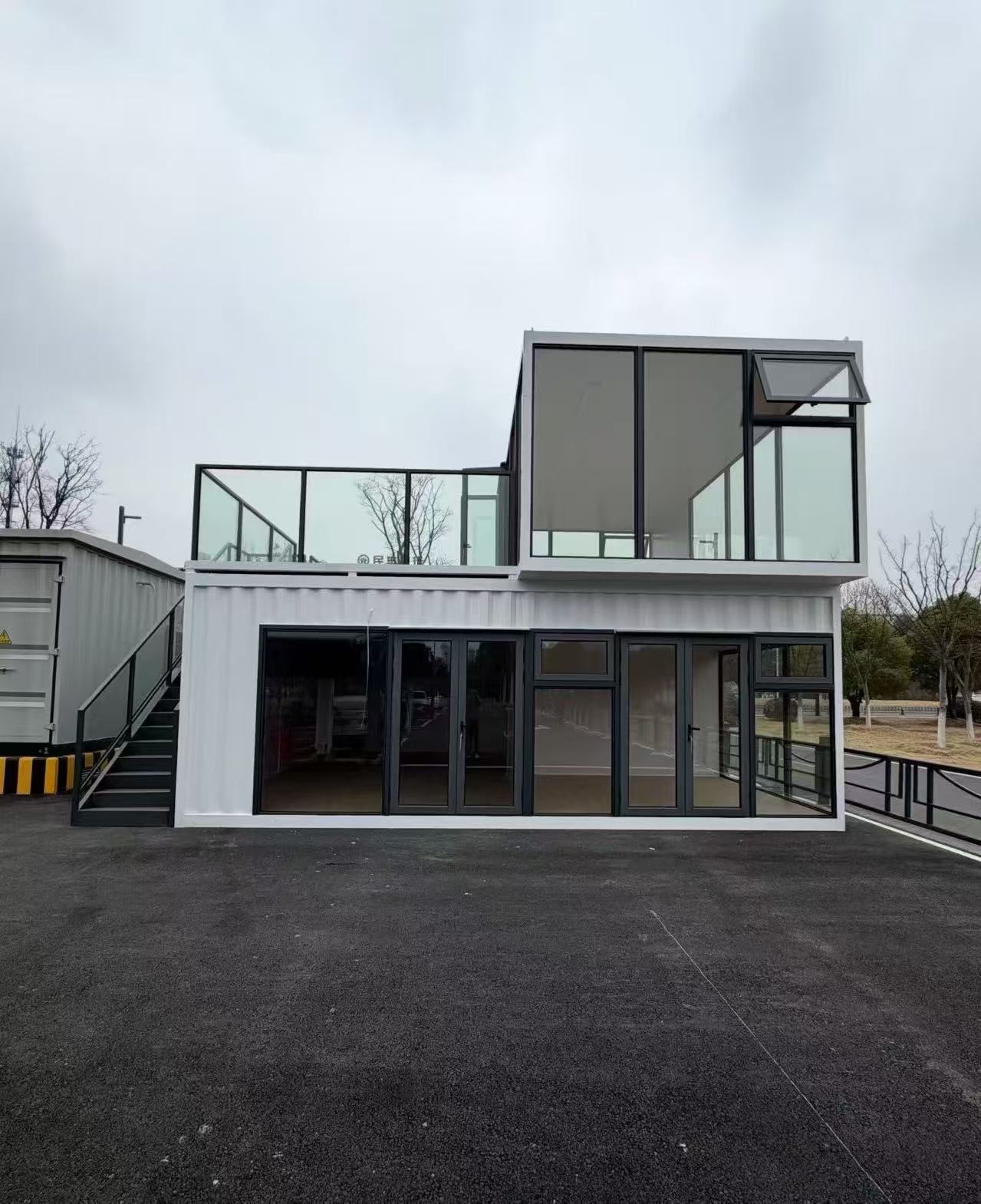
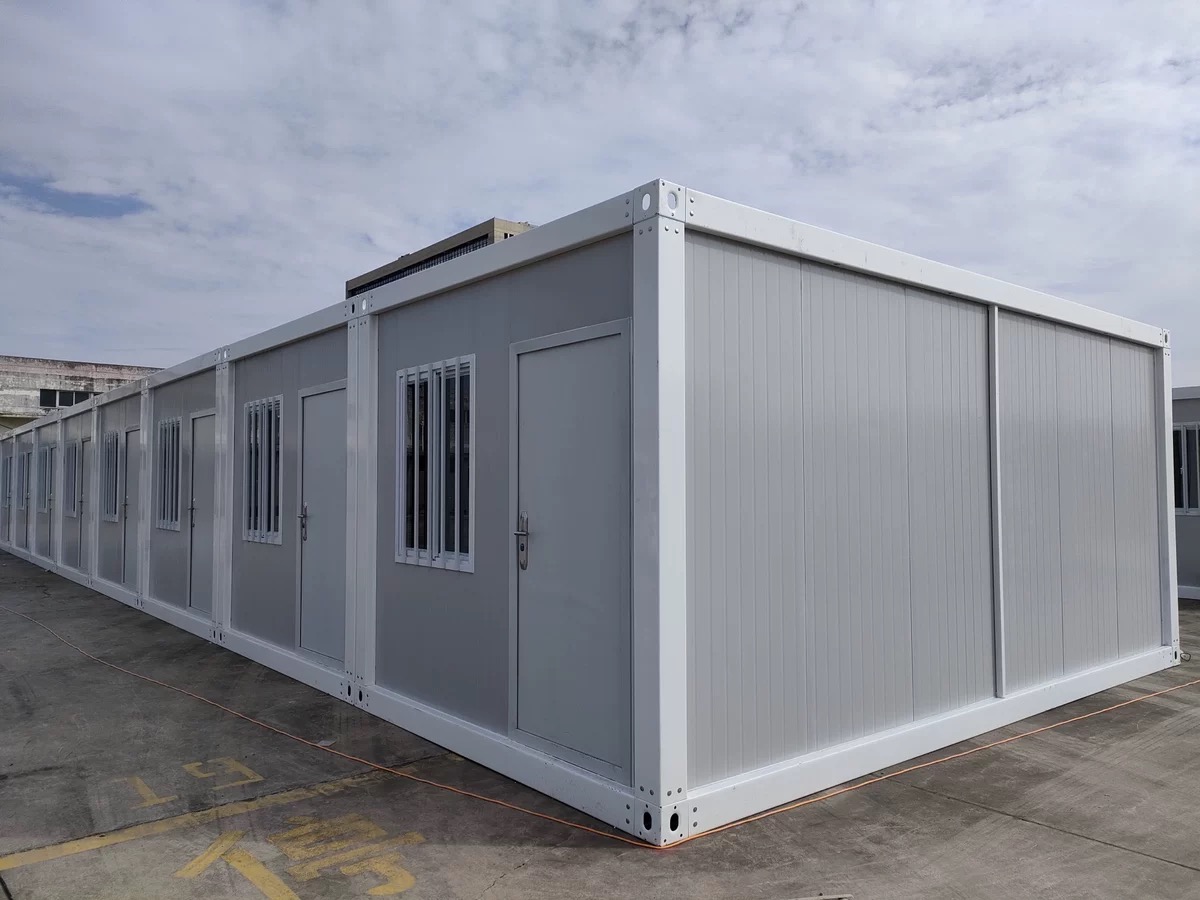
A container house is a modular building unit designed for temporary or semi-permanent use. It is usually manufactured with a steel frame, wall panels, roof panels, doors, and windows, and can be used as an office, accommodation room, meeting room, restroom, or other functional space depending on project requirements.
Common Uses of Container Houses
- Temporary classrooms
- Security rooms
- Storage and support facilities
Main Advantages of Container Houses
Container houses are widely chosen because they offer practical advantages for project-based building needs:
- Fast installation
- Flexible layout options
- Easy transportation
- Cost-effective temporary building solution
- Suitable for remote project sites
Scalable for different project sizes
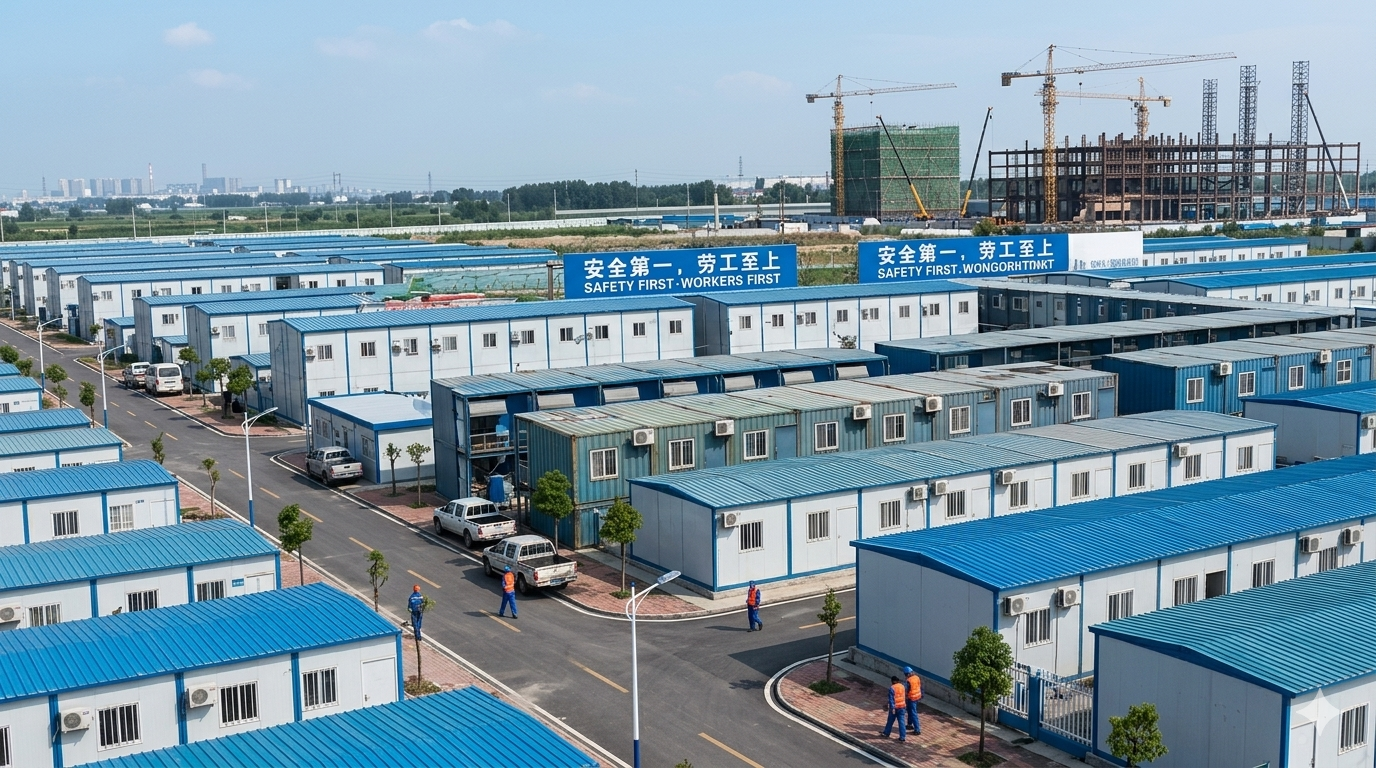
Compared with traditional construction, container houses can be installed much faster and require less on-site work. They are especially suitable for temporary projects, remote sites, and modular camp applications where speed, flexibility, and relocation are important.
How to Choose the Right Container House
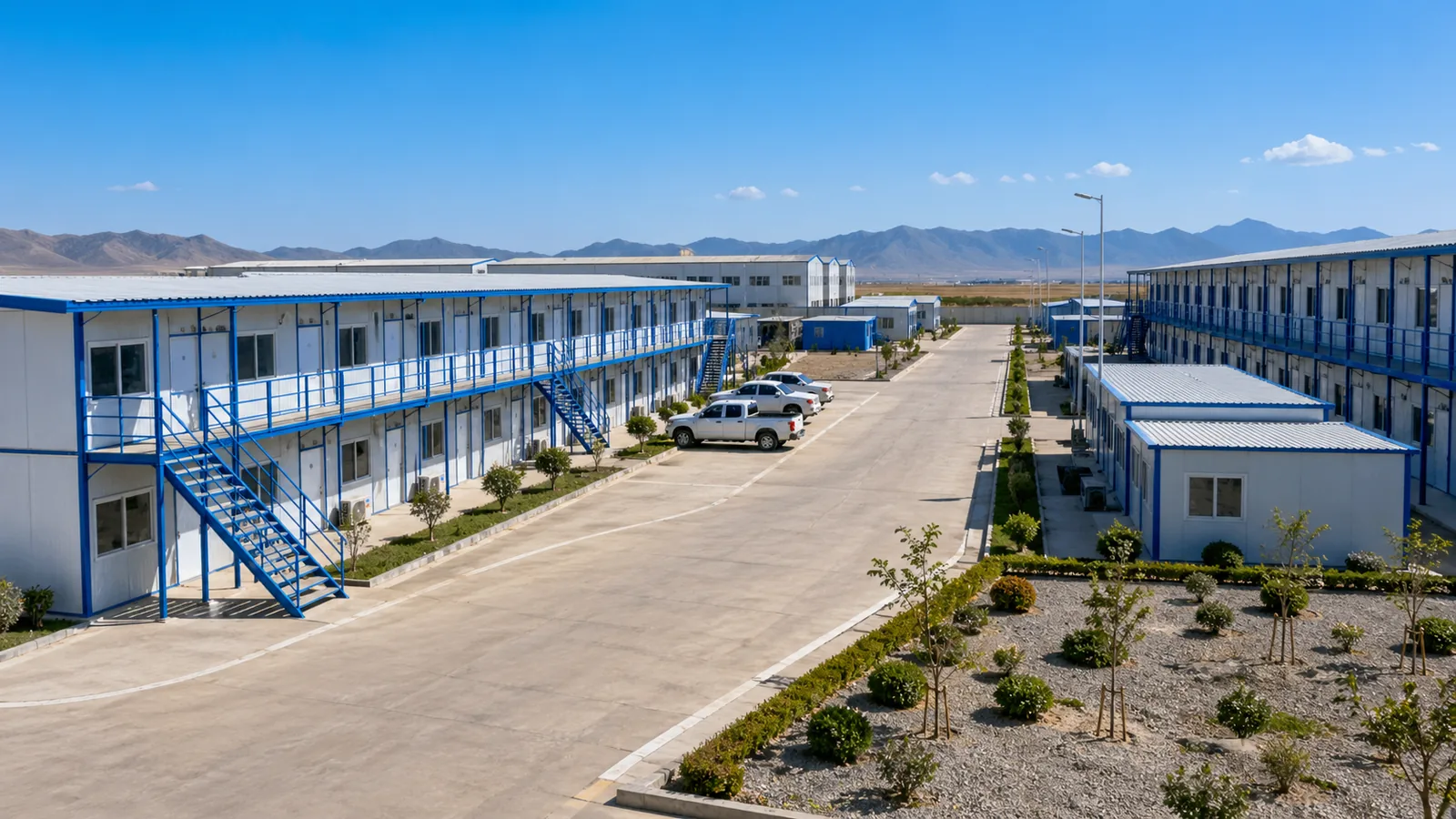
When choosing a container house, buyers should consider project purpose, required layout, transportation conditions, local climate, insulation needs, and the number of units required. For larger projects, container houses can also be combined into office compounds, accommodation blocks, or temporary camp layouts.
If you also want to understand another common modular building option, you can read our article on Prefab House
If you are looking for a practical container house solution for your project, feel free to contact us for product recommendations and quotation support.