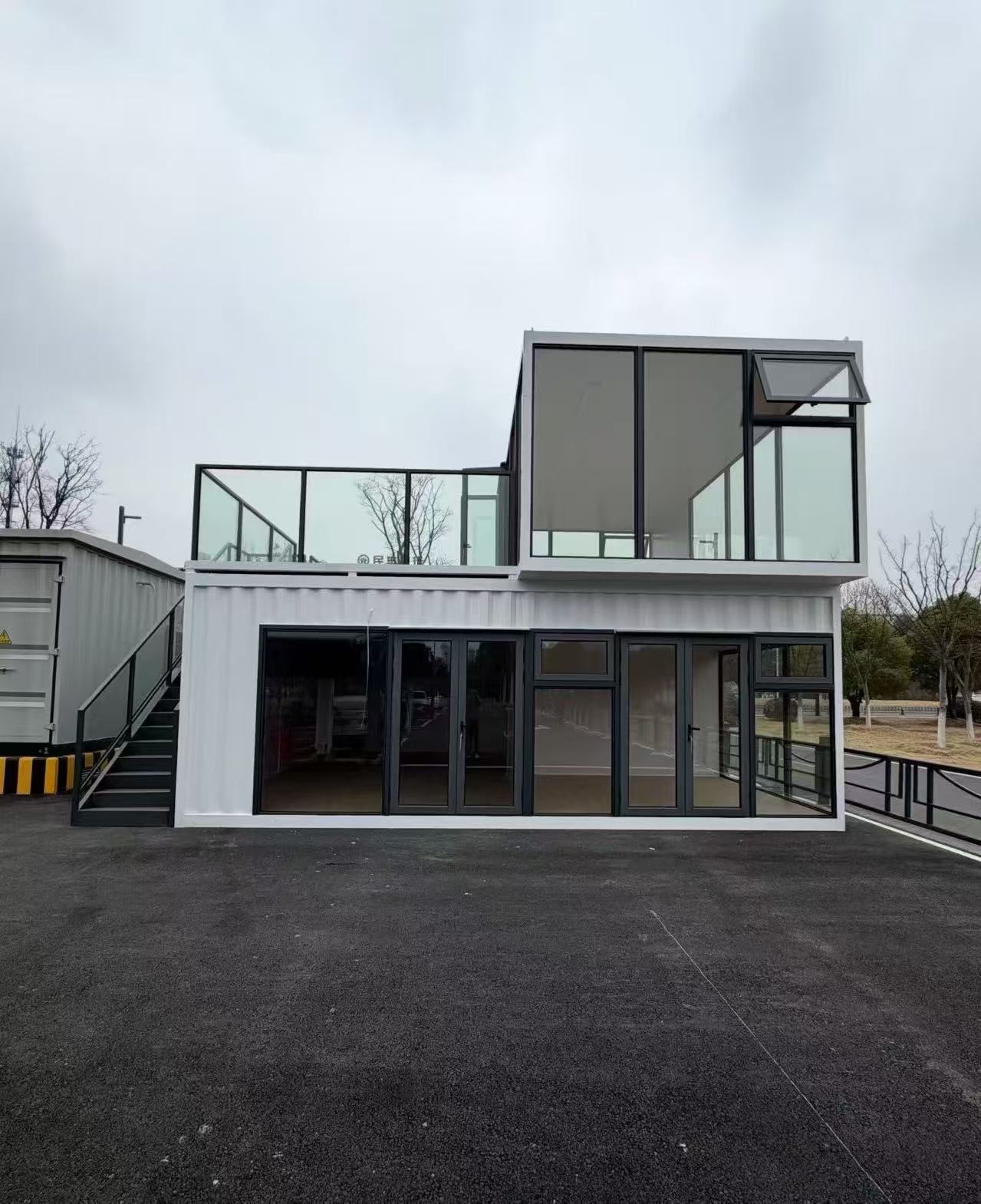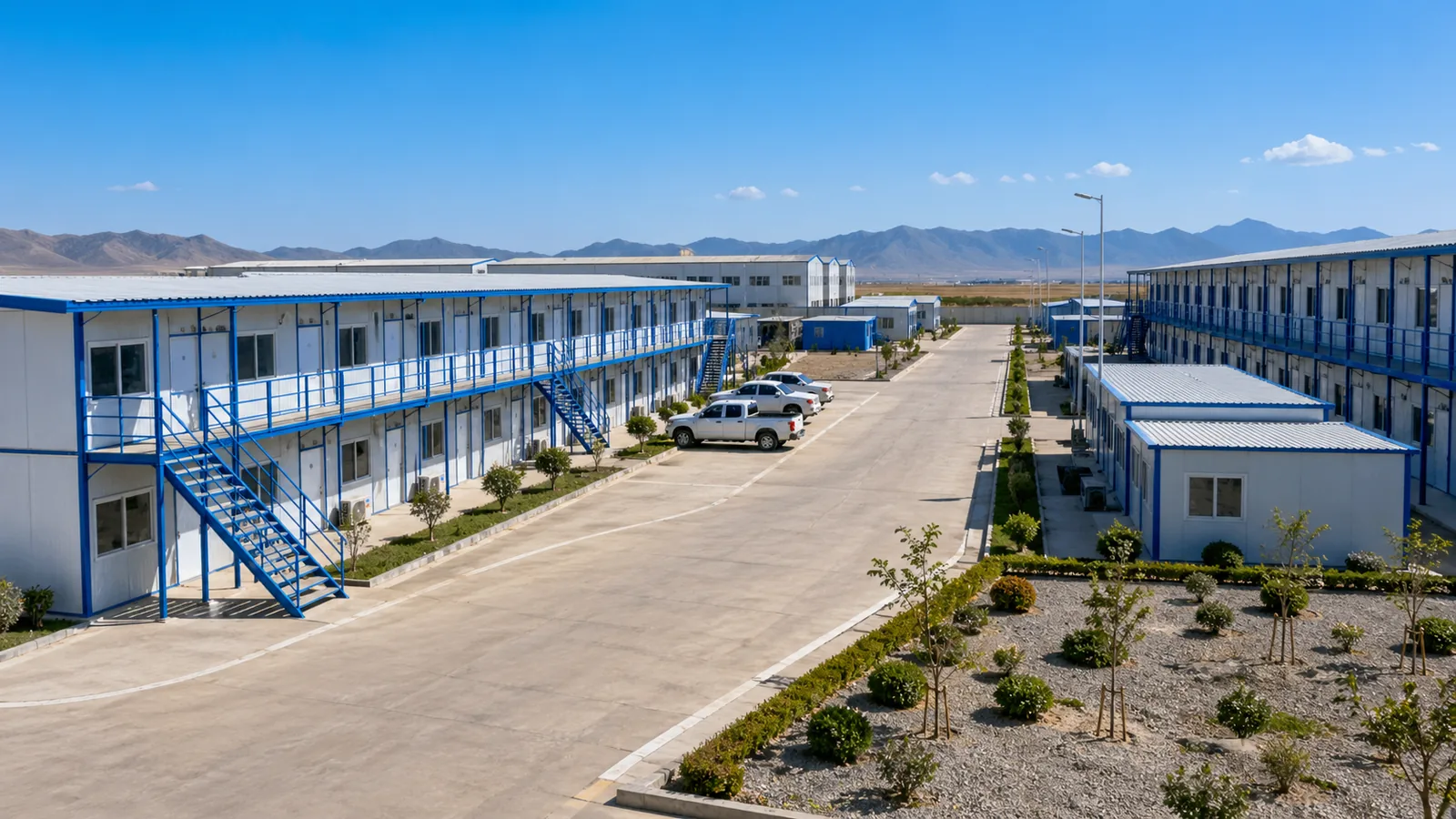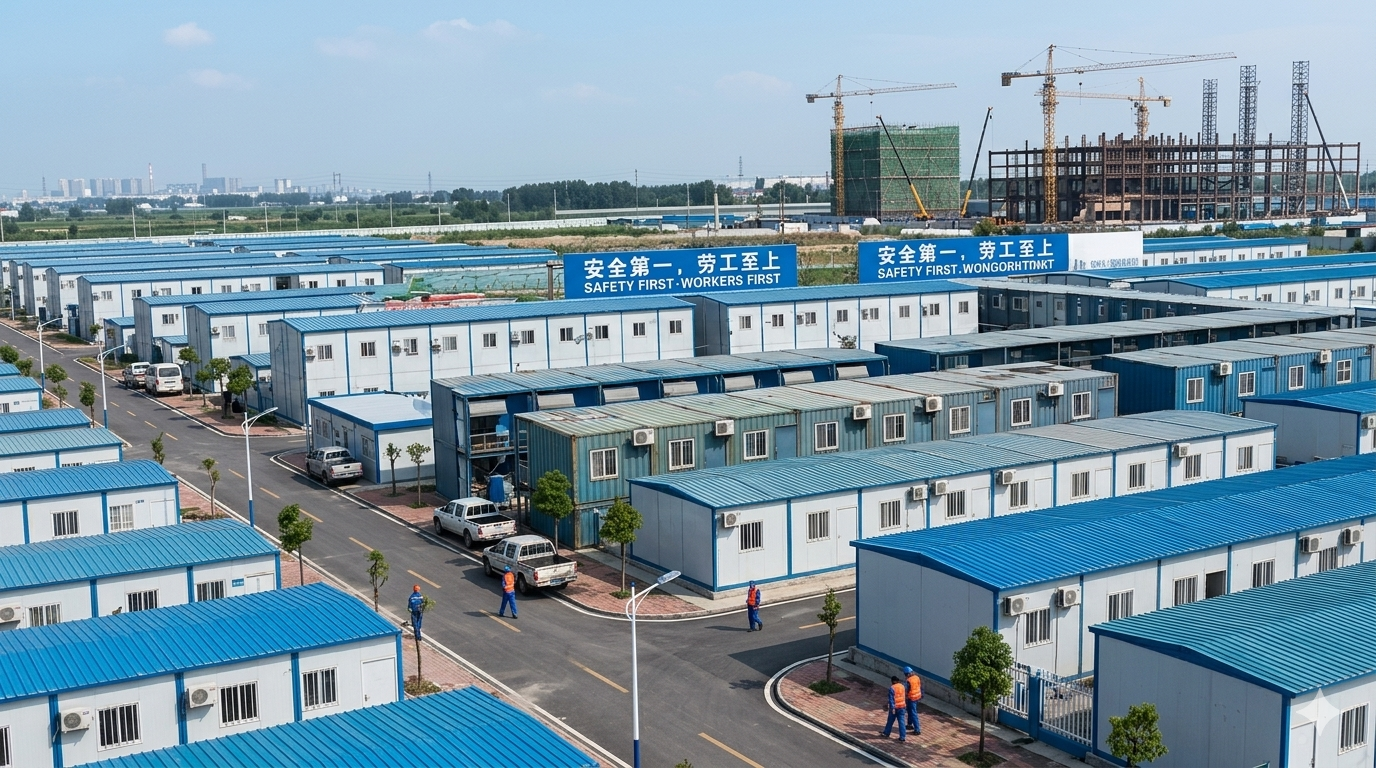
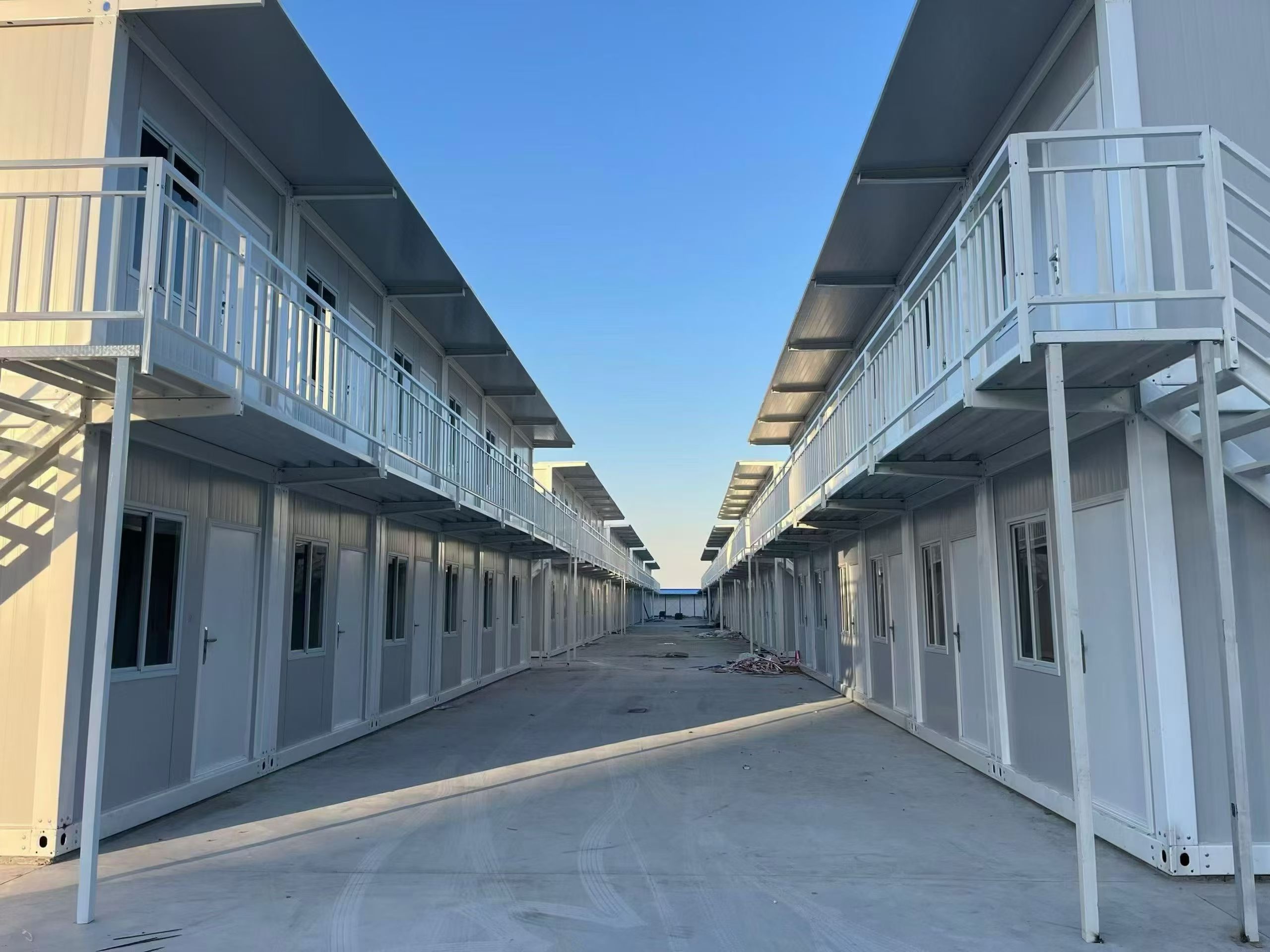
A prefab house, also called a prefabricated house, is a building made from factory-produced components or modular units and then transported to the project site for installation. It is commonly used for housing, offices, worker accommodation, and temporary project facilities.
Basic Definition of a Prefab House
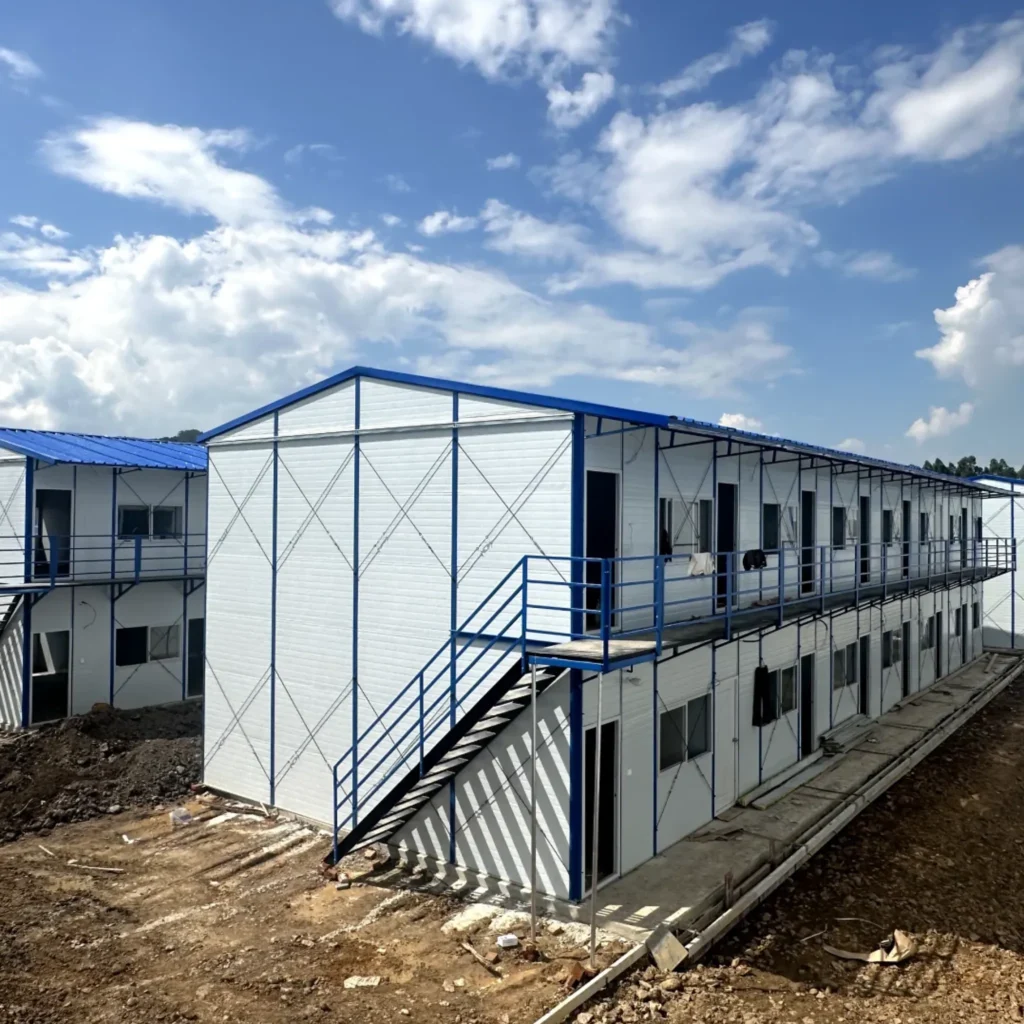
A prefab house, also known as a prefabricated house, is a building that is partially or fully manufactured in a factory before being transported to the installation site for assembly. Prefab houses are designed to reduce on-site construction time and improve efficiency while maintaining structural reliability and practical functionality.
Depending on project needs, prefab houses can be used as accommodation units, temporary offices, residential buildings, classrooms, sanitary rooms, dining spaces, or other modular facilities.
Common Uses of Prefab Houses
Prefab houses are widely used in many project scenarios because of their flexibility and convenience. Common applications include:
- Residential housing projects
- Temporary offices
- Classrooms and training rooms
- Security rooms and support facilities
- Remote project housing
Remote project housing
Prefab houses are popular because they provide several practical advantages for buyers and project planners:
- Faster installation than traditional construction
- Reduced on-site labor requirements
- Cost-effective building solution
- Flexible layout and expansion options
- Easier transportation and assembly
- Suitable for temporary and semi-permanent use
- Suitable for temporary and semi-permanent use
For project-based applications, prefab houses can help reduce delays and make site deployment more efficient.
Prefab House vs Traditional Construction
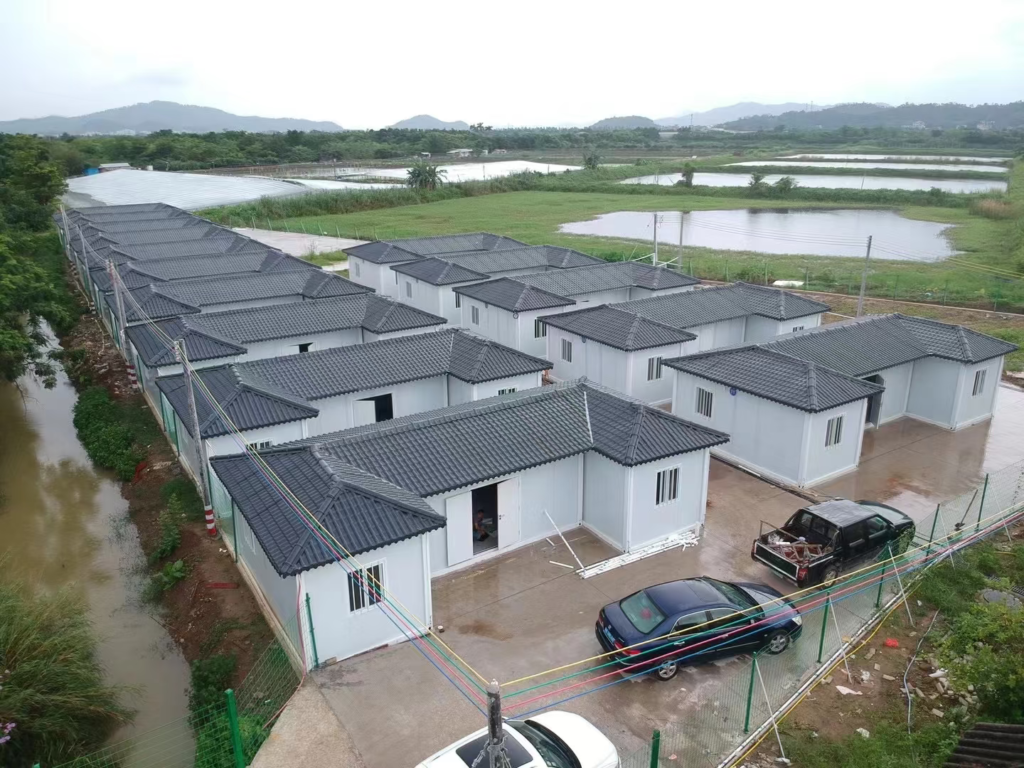
Compared with traditional construction methods, prefab houses require less on-site work and can be installed much faster. Traditional construction often depends on weather conditions, labor availability, and longer project timelines, while prefab house systems are designed for faster delivery and easier assembly.
This makes prefab houses especially suitable for projects that need quick deployment, scalable layouts, and efficient use of budget and labor resources.
What Are Prefab Houses Made Of?
Prefab houses are usually made of steel structures, insulated wall panels, roofing systems, doors, windows, and interior finishing materials selected according to project requirements. Different specifications can be used depending on local climate, insulation needs, fire protection requirements, and project duration.
For buyers, material quality is an important factor because it affects durability, thermal performance, maintenance, and overall service life.
How to Choose the Right Prefab House
When choosing a prefab house, buyers should consider the intended use, project location, required layout, climate conditions, insulation level, transportation requirements, and the total number of units needed. It is also important to evaluate whether the project requires temporary structures, long-term use, or future expansion.
For larger developments, prefab houses can be planned as part of complete modular housing projects, labor camps, or office-accommodation combinations.
Are Prefab Houses a Good Choice for Modern Projects?
Yes, prefab houses are a strong choice for modern construction and project-based building needs. They combine practical design, faster delivery, and flexible use, which makes them suitable for a wide range of residential, commercial, and temporary facility applications.
For buyers looking for speed, efficiency, and scalable building solutions, prefab houses are often one of the most practical options available.
Conclusion
If you are looking for a reliable prefab house solution for your project, feel free to contact us for product recommendations and quotation support.