Container House Quality Control Guide
Container House Pre-Shipment Inspection Checklist
A practical checklist for overseas buyers inspecting container houses before export. Check the steel structure, wall panels, doors, windows, hardware, protective packaging, container loading and shipment documentation before the cargo leaves the factory.
Imagine receiving a shipment of container houses at a construction camp, only to discover that several connector bags are missing. The main steel frames and wall panels may have arrived, yet the installation team cannot complete the buildings until replacement parts arrive.
That is one reason pre-shipment inspection matters for overseas modular building projects. It gives buyers an opportunity to verify the order while components can still be identified, inspected and corrected before export.
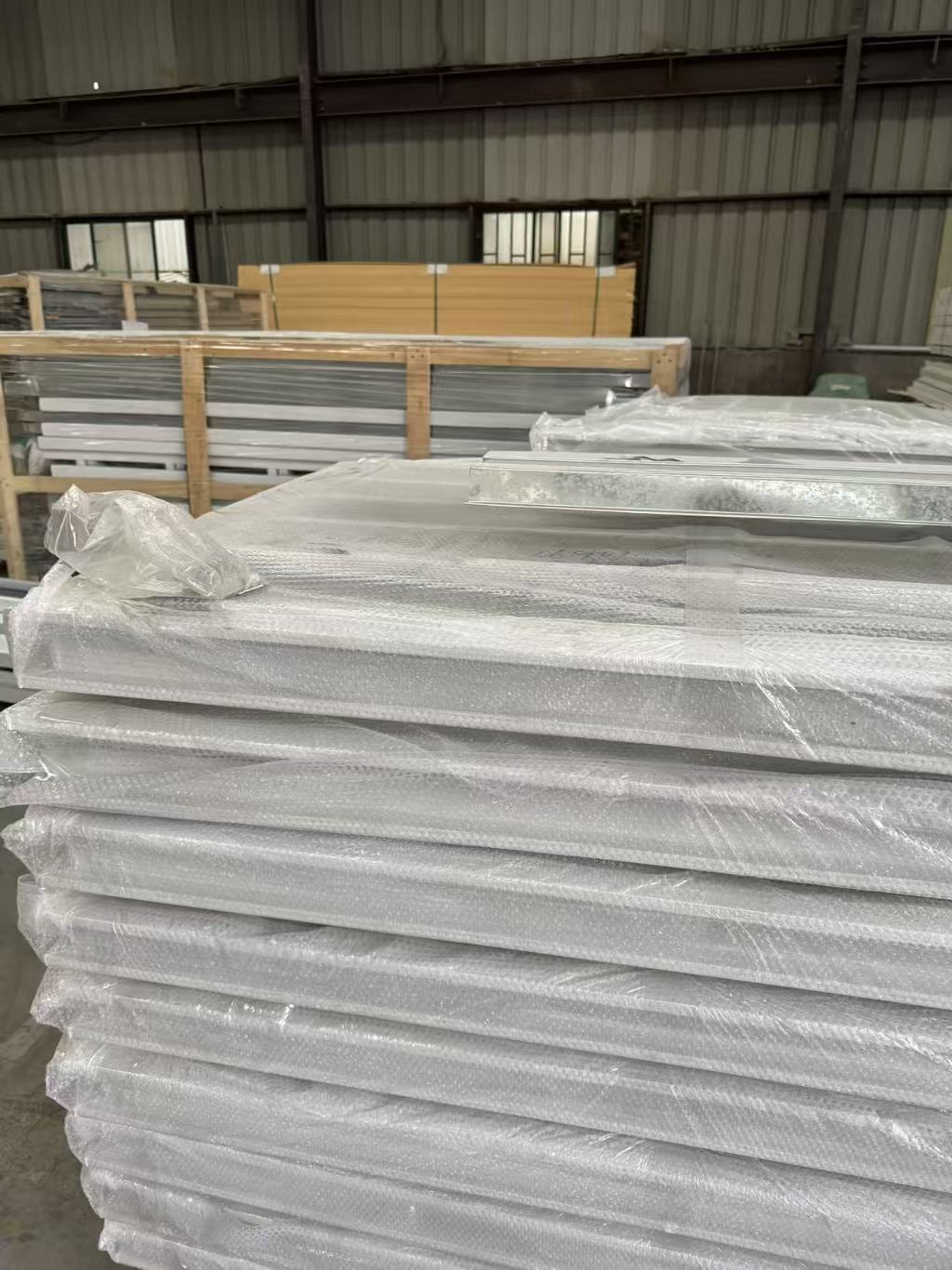
The following guide explains what to examine, which documents to compare and what evidence to request. It also includes examples of protective bubble-wrap packaging for doors and windows.
Inspection Purpose
1. Why Inspect Container Houses Before Shipment?
A quick-assembly container house is transported as a collection of structural members, wall panels, floor materials, roof components, doors, windows and accessories. A conventional flat pack unit has a different frame arrangement but also requires the correct accompanying materials.
The risk is not limited to visibly damaged components. An order may contain the right number of wall panels but the wrong panel lengths, or the correct number of bolts in total but an incorrect mix of bolt sizes.
Product Compliance
- Correct building model and quantity
- Specified steel grade, dimensions and frame thickness
- Correct insulated panels, floor and roof materials
- Door, window and accessory specifications
Shipment Readiness
- Complete component quantities
- Protective packaging and package identification
- Appropriate cargo handling and securing arrangements
- Correct packing and shipping records
For a large worker accommodation or site office project, identifying an incomplete kit before loading is generally easier than resolving it after the goods have been distributed across several buildings at the destination.
Prepare the Reference Documents
2. What Documents Should Be Available?
Begin with the approved order specification. Inspectors need a clear reference for deciding whether an item is correct. A visual check alone cannot establish whether a steel member has the contracted thickness or whether the window dimensions are correct.
| Document | What It Should Clarify |
|---|---|
| Purchase Order or Contract | Product type, quantity, agreed supply scope and special requirements |
| Approved Technical Drawings | External dimensions, member sizes, structural arrangement, openings and connection details |
| Bill of Materials (BOM) | Material descriptions, dimensions, quantities and included accessories |
| Product Configuration | Wall insulation, finishes, door and window types, optional equipment |
| Inspection Requirements | Agreed measurement methods, tests, tolerances and acceptance criteria |
| Draft Packing List | Package quantities, contents and identification |
Example: Check the Components, Not Just the Quantity
One Hongtai quick-assembly reference material list specifies two upper long beams and two lower long beams, each measuring 5,630 mm. It also identifies 2,680 mm short beams and four 2,480 mm corner columns.
For an inspection based on that particular BOM, the inspector can verify member lengths and counts against the specified parts. The same values should not automatically be applied to other container house models.
Identify the Correct Product
3. Quick-Assembly and Conventional Flat Pack Need Different Checks
Container houses with similar external appearances may have very different steel-frame and installation methods.
Hongtai’s Quick-Assembly system uses separate structural members that are connected on site. Conventional Flat Pack container houses use complete, factory-integrated upper and lower frames.
| Inspection Item | Quick-Assembly | Conventional Flat Pack |
|---|---|---|
| Frame Arrangement | Individual beams, columns and connectors | Integrated upper and lower frame assemblies |
| Key Dimensions | Individual member lengths, sections and connection positions | Overall frame dimensions, geometry and fabrication details |
| Hardware | All specified structural connection components | Frame connections and remaining assembly hardware |
| Packaging | Identified component sets with suitable protection | Protection and support for integrated frames and accessories |
| Loading Plan | Based on actual packed component dimensions | Based on integrated frame and package dimensions |
The frame thickness must also match the selected model’s specification. Hongtai offers different steel-frame configurations across its product range, so the inspector should verify the contracted member and steel thickness rather than selecting an arbitrary value.
More information is available on the Hongtai Container House product page .
Practical Buyer Checklist
4. Container House Pre-Shipment Inspection Checklist
The checklist below covers eight areas. Use it to organize the inspection and identify items requiring measurements, photographs or further verification.
01 Order and Specification
Reference: Contract, drawings, BOM and approved configuration.
02 Steel Structure
Reference: Structural specification, drawings and agreed inspection criteria.
03 Panels, Floors and Roof
Reference: Panel schedule, material list and finish specification.
04 Doors and Windows
Reference: Door and window schedule, hardware list and agreed tests.
05 Electrical and Bathroom
Loose components may require final installation and commissioning tests at the project site.
06 Hardware and Accessories
Check both quantities and sizes. Mixed or missing fasteners can interrupt installation.
07 Protective Packaging
Bubble wrap is one protective measure. Cargo securing and suitable structural packaging remain necessary.
08 Loading and Documents
Product approval and safe container loading are separate inspection considerations.
Export Packaging Protection
5. Protective Packaging: Bubble Wrap, Edge Protection and Identification
Product inspection does not end when all parts have been counted. Components can still be scratched, dented or broken during handling, loading and international transport.
Protective wrapping is particularly relevant for painted doors, window frames and other finished surfaces. Bubble wrap adds a cushioning layer that can reduce direct contact, abrasion and minor handling impacts.
The appropriate packaging depends on the component’s size, weight and vulnerability. Glass, large wall panels and heavy steel-frame components may also need corner protection, separators, supports or other securing measures.
Actual Packaging Examples: Windows and Doors
These two photographs illustrate bubble-wrap packaging used for container house windows and doors.
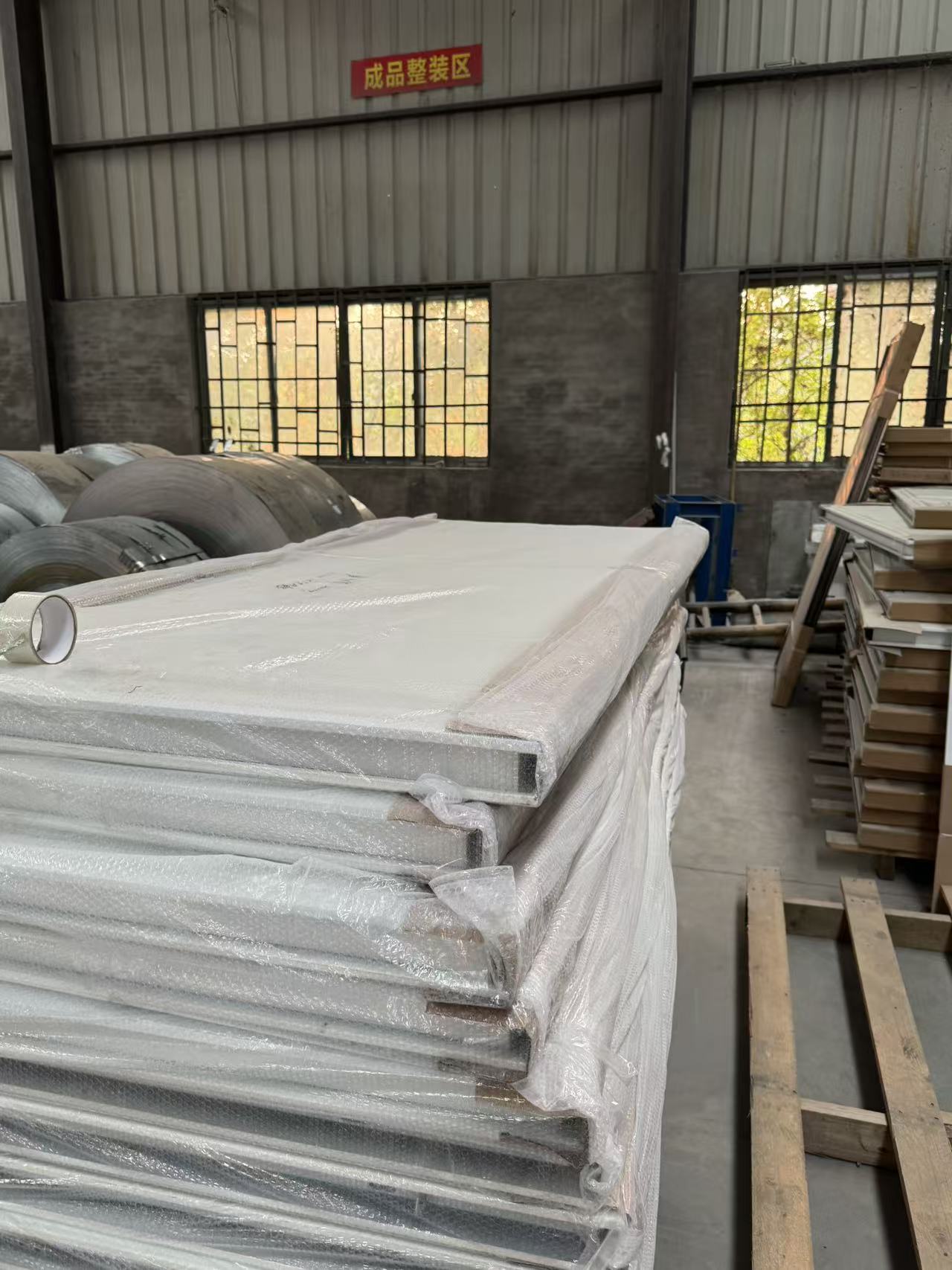
Packaging Should Match the Component
| Component | Packaging Consideration |
|---|---|
| Doors | Bubble-wrap surface protection, with attention to exposed edges and hardware |
| Windows | Surface protection combined with suitable glazing, corner and frame support |
| Steel Beams and Columns | Protection for coated surfaces, suitable separators, bundling and support for heavy members |
| Insulated Wall Panels | Protection against surface abrasion, edge damage, bending and crushing |
| Floor and Finish Materials | Appropriate surface protection, moisture control and movement prevention |
| Hardware and Accessories | Identified bags or boxes that prevent mixing, loss and handling damage |
Check for Damage Before and After Wrapping
Packaging can conceal existing scratches or damaged corners. Where the inspection scope requires an assessment of the underlying product condition, inspect the accessible component before final wrapping or arrange suitable verification at the agreed inspection stage.
Before loading, check that the required wrapping is secure, package identification remains readable and the protected components can be handled without damaging nearby goods.
Identify Complete Quick-Assembly Component Sets
Doors and windows are only part of a container house kit. Steel members, sandwich panels, floor boards, roof materials and small connection parts must be accounted for as well.
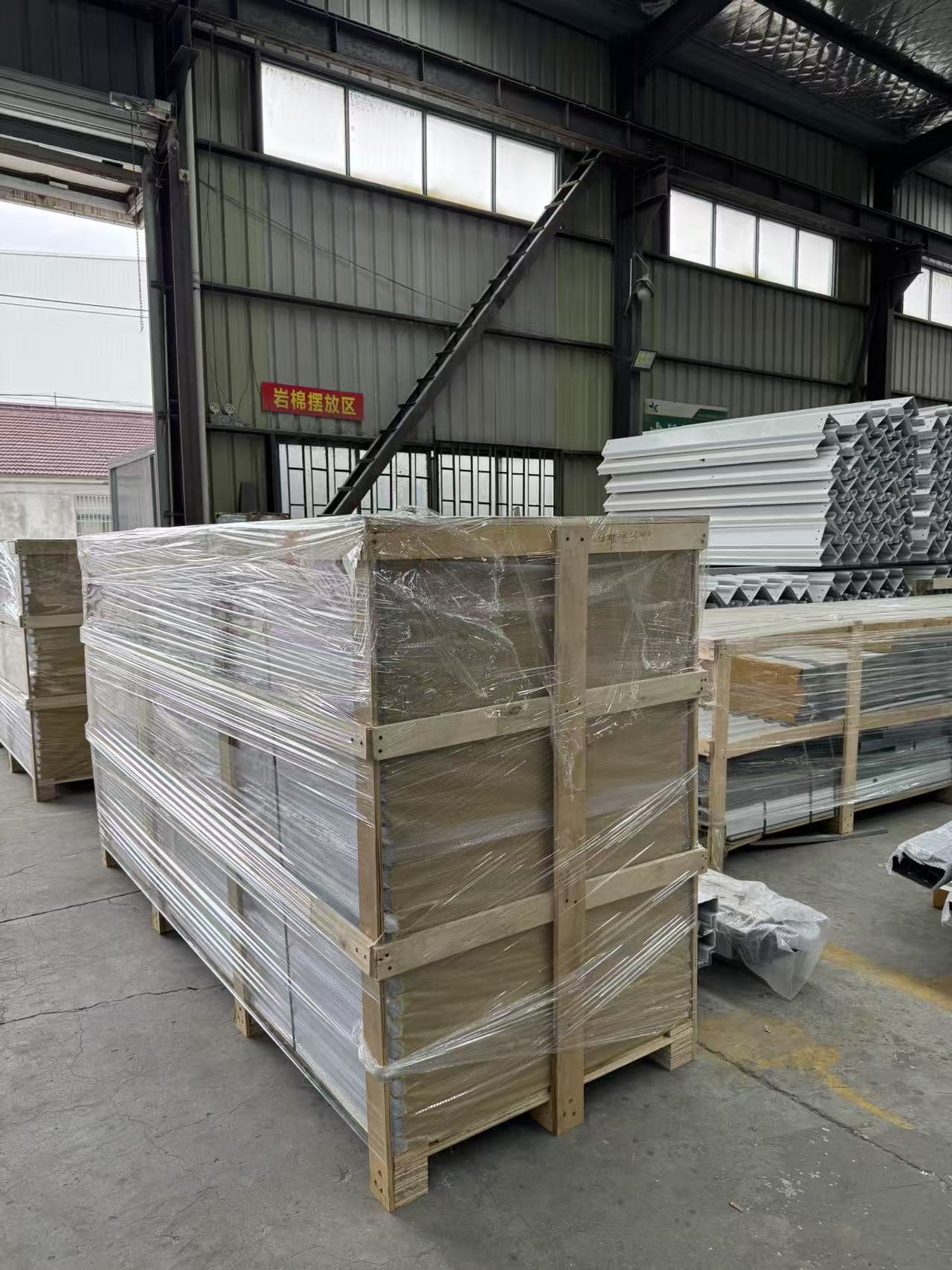
On a multi-building order, marking packages by building, model or assembly kit can help the receiving team identify the materials needed at each installation location.
For conventional Flat Pack container houses, the upper and lower integrated frames need packaging and handling arrangements appropriate to their size and weight.
Export Container Loading
6. Inspect the Container Loading Process
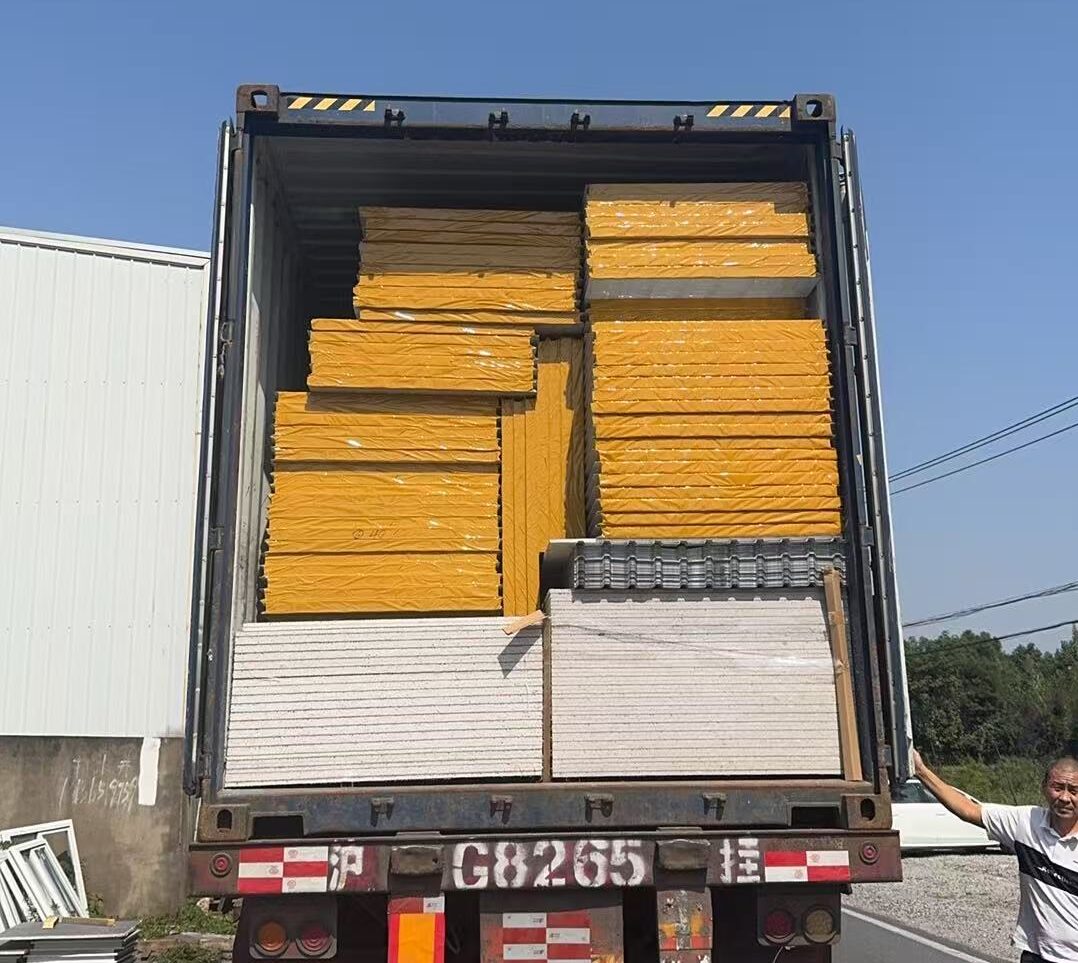
A shipment can pass a product inspection and still encounter transport damage if cargo is poorly positioned or secured.
Loading supervision checks the goods entering the container, their arrangement and the evidence recorded before sealing.
Confirm the Actual Loading Quantity
Hongtai’s standard 3 × 6 m Quick-Assembly configuration with 50 mm wall panels has a reference capacity of approximately 18 sets per 40HQ.
That figure applies to the specified quick-assembly packing arrangement. It must be checked again when panel thickness, additional materials, bathrooms, stairs or other packaged items change the shipment.
Conventional Flat Pack units have a different loading arrangement because their upper and lower steel frames are integrated assemblies. Their loading quantity must be calculated separately.
More information is available in our 40HQ Container House Loading Guide .
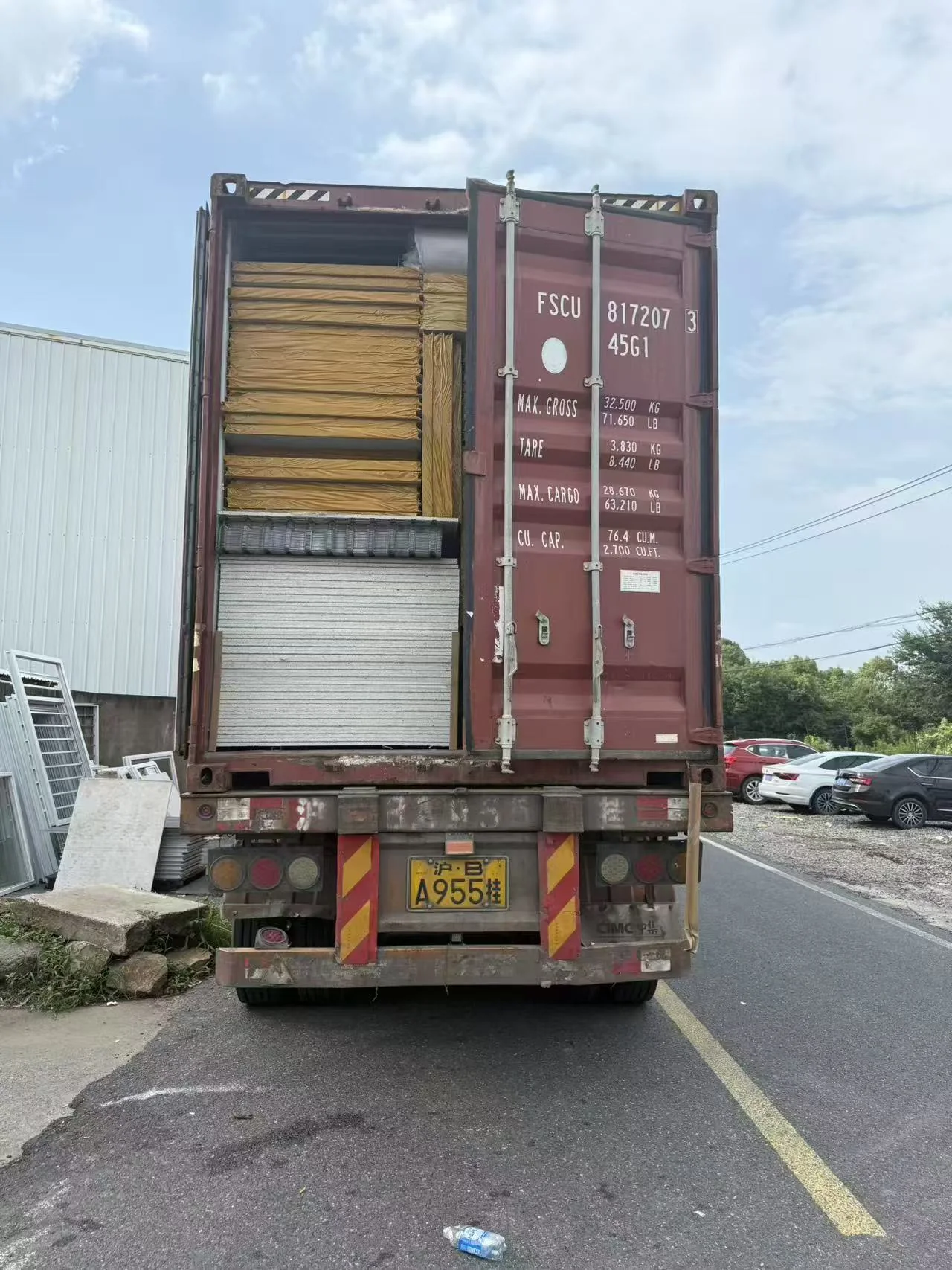
Before Loading
- Check the container number and visible exterior condition.
- Inspect the container interior for water, debris and damage.
- Confirm package quantities against the loading plan.
- Review how heavy and fragile items will be handled.
During and After Loading
- Record packages as they enter the container.
- Check cargo placement, support and restraint.
- Photograph the final cargo arrangement.
- Record the container and seal numbers after sealing.
Packaging and Securing Serve Different Purposes
Wrapping a door with bubble film can help protect its finished surface. It does not secure the door against movement inside a shipping container.
Cargo securing and safe loading require separate consideration of weight, restraint, support and distribution.
The IMO/ILO/UNECE CTU Code provides internationally recognized guidance on packing and securing cargo transport units. It is a non-mandatory code of practice. Applicable transport regulations and carrier requirements must also be followed.
Inspection Evidence
7. What Should an Inspection Report Show?
A useful inspection report allows the buyer to identify what was checked, what was found and which items still need action.
A collection of general factory photographs may show that production took place. For shipment inspection, the photos should also help connect specific goods to the actual order.
| Record | Useful Information |
|---|---|
| Order Identification | Project, order reference, product model and inspected quantity |
| Document References | Drawing revisions, BOM and inspection criteria |
| Measurements | Checked component, measured result and applicable requirement |
| Condition Photos | Structural members, panels, doors, windows and other inspected materials |
| Packaging Photos | Finished wrapping, vulnerable corners, package labels and counts |
| Nonconformities | Description, affected quantity, corrective action and status |
| Loading Records | Container identification, cargo arrangement and seal |
A Useful Photo Sequence
- Overall view of the identifiable materials selected for inspection.
- Dimension checks where required by the inspection scope.
- Close-ups of doors, windows and vulnerable surfaces.
- Bubble-wrap protection and completed package labels.
- Loading stages and cargo restraint arrangements.
- Final loaded condition, container identification and recorded seal details.
If damage is found, photograph both the affected area and enough of the surrounding component to identify it. The report should also explain the corrective action or outstanding decision.
Problems and Corrective Actions
8. What If Missing, Incorrect or Damaged Parts Are Found?
The purpose of inspection is to resolve problems while the affected goods can still be located and corrected.
Different findings require different responses. A minor cosmetic issue should be evaluated against the agreed finish standard. An incorrect structural member requires review against the approved structural specification.
| Example Finding | Practical Response |
|---|---|
| Missing bolts or connectors | Identify affected kits, supply missing parts and verify quantities |
| Incorrect steel thickness or material grade | Hold affected goods for technical review and agreed disposition |
| Wrong wall panel size | Check the panel schedule, identify affected parts and correct or replace as agreed |
| Scratched painted door | Compare with the agreed finish criteria and determine whether repair or replacement is required |
| Torn protective wrapping | Inspect the component and restore suitable protection before loading |
| Incorrect package count | Reconcile actual contents with the packing list before release |
| Inadequate cargo restraint | Correct the loading or securing arrangement before transport |
Where corrective action is needed, retain a record of the finding and the work performed. Reinspection should be completed when required by the agreed inspection procedure.
Inspection Planning
9. Should Buyers Arrange Independent Pre-Shipment Inspection?
The inspection arrangement depends on the order and the buyer’s requirements. It may involve supplier inspection personnel, a customer representative or an independent inspection company.
Buyers should decide early which characteristics need individual checks, which may be sampled, and what evidence is required before shipment.
Sampling and Acceptance Criteria
Statistical sampling may be appropriate for certain inspection characteristics. However, the sampling plan needs a defined inspection lot, defect categories and acceptance criteria.
Where agreed by the parties, ISO 2859-1:2026 provides acceptance sampling schemes for inspection by attributes.
This article does not prescribe an acceptance quality limit (AQL) or claim that every Hongtai order follows a particular sampling plan.
Structural requirements, special project specifications and contractual conditions may also call for checks beyond a general sampling inspection.
Frequently Asked Questions
Container House Pre-Shipment Inspection FAQ
When should a pre-shipment inspection take place?
Final inspection is generally arranged when the goods are ready and accessible. Certain component or fit-up checks may need to occur earlier in production. Loading inspection takes place during the actual loading process.
Can bubble wrap protect container house components?
Bubble wrap can reduce surface contact, abrasion and minor handling impacts for suitable components. Heavy frames, fragile glass and large panels may need additional packaging, supports and cargo restraint.
Which items should be inspected most carefully?
Priorities depend on the order. Important areas commonly include structural members, connectors, wall panels, doors, windows, small accessories and packing completeness.
Does every container house have to be fully assembled at the factory?
Full factory assembly of every quick-assembly unit should not be assumed. If trial assembly, fit-up verification or a specific inspection stage is required, it should be agreed for the order.
How many Quick-Assembly container houses fit in a 40HQ?
Approximately 18 standard 3 × 6 m Quick-Assembly sets with 50 mm wall panels is a reference loading quantity. Final loading depends on the actual packing plan. Conventional Flat Pack units are calculated separately.
What if the inspection finds missing components?
Identify the affected package or assembly kit, record the discrepancy and confirm corrective action before releasing the affected goods. Reinspection may be required.
Can buyers request packaging and loading photographs?
Buyers can specify photographs as part of the agreed inspection documentation. Requirements should identify the desired views and the goods to be photographed.
Is third-party inspection mandatory for every shipment?
The requirement depends on the contract, project and applicable regulations. Independent inspection should not be assumed mandatory for every order.
Is product inspection the same as container loading inspection?
Product inspection examines the goods against agreed requirements. Loading inspection examines the cargo placed in the container, its quantity, positioning and securing arrangements.
Hongtai Container House
Preparing for an Overseas Container House Project?
Hongtai supplies Quick-Assembly and conventional Flat Pack container house systems for worker accommodation, construction site offices and modular project facilities.
Share your project location, required quantity, product configuration and destination port. You can also tell us which packaging or inspection requirements are important for your order.